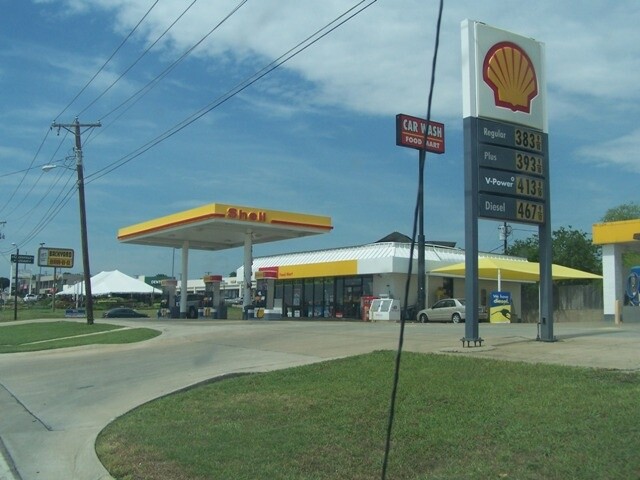
When we audit an operating Shell fuel station and convenience store along a busy North Texas highway corridor, we inspect the property from the bottom of the underground fiberglass fuel tanks up to the rooftop HVAC curbs. A branded highway C-store can show strong inside sales and gallon volume, but if the underground spill buckets, submersible turbine pumps, or walk-in cooler compressors are failing, the compliance and replacement costs hit fast.
We performed an on-site engineering and acquisition due diligence audit across this North Texas Shell property. Outside, we inspected the double-wall underground storage tanks, Veeder-Root monitoring console, multi-product dispensers, structural steel canopy, and reinforced concrete tank pad. Inside, we audited the ten-door walk-in beverage cooler vault, refrigeration condensers, electrical switchgear, and building envelope.
Technical Specifications & Commercial Petroleum Scope
Commercial fueling stations require thorough inspection across civil, structural, environmental, and mechanical disciplines:
- Underground Storage Tanks (UST) & Monitoring Consoles: We audited double-wall fiberglass fuel storage tanks, submersible turbine pumps, and interstitial monitoring sensors. We inspected the central electronic tank gauge console, auditing thirty-day leak detection logs and line leak detector test records to verify full environmental compliance. We checked cathodic protection records for all metallic fittings, ensuring zero structural soil corrosion liabilities existed across underground fuel supply lines and spill containment buckets.
- Forecourt Fuel Dispensers & Secondary Containment: We inspected multi-product fuel dispensers, vapor recovery hoses, breakaway couplings, and emergency shear valves. We removed lower dispenser access panels to inspect secondary containment sumps, verifying that sensors were dry, sediment-free, and showed no historical fuel seepage around pipe entry boots. We tested emergency shut-off switch stations across all dispenser islands to confirm immediate power cut-off to submersible turbine pumps.
- Structural Multi-Pump Canopy Engineering: We inspected structural steel canopy columns, footing connections, fascia beams, and underside soffit paneling. We evaluated anchor bolt torque, column baseplate corrosion, and verified that internal downspout storm conductors discharged water away from dispenser traffic lanes. We checked canopy overhead lighting fixtures to ensure commercial night illumination met municipal security standards and provided clear visibility across all fueling positions.
- Commercial Walk-In Beverage Cooler Vaults: Inside the retail convenience store, we inspected the ten-door commercial walk-in cooler assembly, evaporator coils, condensing units, and glass display door gaskets. We verified operating temperatures, defrost cycle timers, and evaluated compressor amperage to ensure reliable refrigeration during extreme summer heatwaves. Inefficient cooler coils directly inflate commercial electric utility overhead and cause warm product temperatures that immediately drive dissatisfied customers to competing retail stations.
- Forecourt Concrete Paving & Tank Pad Integrity: We inspected heavy-duty concrete paving across fuel drive aisles, delivery truck turning aprons, and the reinforced concrete tank hold-down pad. We checked for pavement slab cracking, fuel-resistant joint sealant degradation, and assessed surface slope gradients to ensure spilled washdown water flowed away from customer fueling bays toward approved environmental drainage collection zones.
- Convenience Store Retail Shell & MEP Distribution: Inside the retail store, we evaluated the building envelope, commercial HVAC rooftop packaged units, suspended ceiling grids, and commercial plumbing fixtures. We audited the main 200-amp, three-phase electrical distribution panel, checking circuit breaker capacities for commercial coffee brewers, fountain drink carbonators, and point-of-sale register networks.
Field Execution, Code Realities & Underwriting Control
On the ground, protecting the project budget and schedule comes down to enforcing strict field standards across these critical details:
- Environmental Checks Are Critical When: Inspectors must pull official state underground storage tank registrations, verify annual line leak detector tests, inspect electronic interstitial sensor logs on double-wall tanks and containment sumps, and review historical cathodic protection test certifications for metal fittings. Obtaining an updated Phase I Environmental Site Assessment verifying zero historical petroleum hydrocarbon releases is mandatory for commercial acquisition financing. If historical soil contamination is detected, buyers must verify active state remediation certificates before closing.
- Canopy Structural Engineering Affect Commercial: High winds and severe weather along Texas highway corridors create heavy uplift forces on commercial canopies. Structural column baseplate rust, loose anchor bolts, or unbraced fascia framing can cause catastrophic structural canopy collapse during severe storms. Underwriters must confirm structural connections meet local windstorm engineering codes and verify that internal storm conductors prevent water accumulation on canopy decking. Rusted column footings require costly structural steel shoring and foundation re-anchoring.
- Forecourt Concrete Slab Inspection Essential: Commercial fuel delivery tankers impose immense point loads across forecourt paving. Cracked concrete slabs or degraded fuel-resistant joint sealants allow surface water and petroleum runoff to infiltrate the underlying sub-base, causing severe subgrade settling and damaged underground fuel product lines. Repairing failed concrete paving around dispenser islands requires costly temporary station shutdowns that disrupt retail cash flow and damage customer retention.
The Ground Truth
Buying an operating gas station without opening every dispenser cabinet, checking the tank sump sensors, and inspecting the walk-in cooler evaporator coils is pure guesswork. Environmental compliance and cold-vault refrigeration are the two backbones of convenience retail.
Delivering a complete field report on the underground tank telemetry, canopy structure, forecourt concrete, and inside refrigeration gave the buyer total clarity on the station's physical health before closing.