When a coastal hurricane or tropical storm pushes high winds and torrential rain up the Interstate 45 corridor into North Houston, two-story exterior-corridor motels take the brunt of the weather on their roofs, breezeway walkways, and guestroom window and PTAC perimeters. Water driven sideways at seventy miles an hour finds every cracked caulk joint and loose roof flashing on the property.
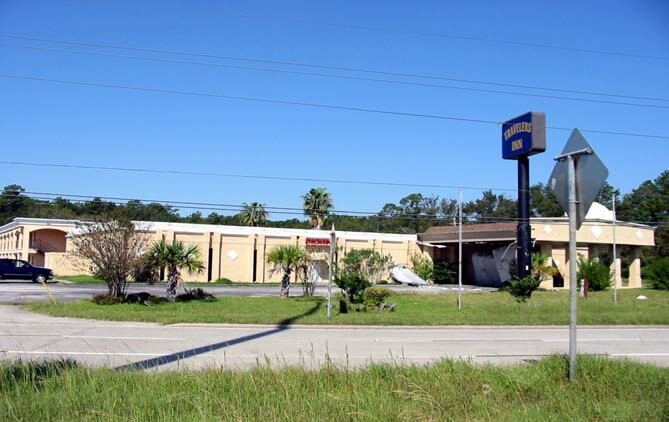
We walked this Travelers Inn property in North Houston to execute a post-storm building envelope and physical plant audit. We inspected the low-slope modified bitumen roof decks and parapet flashings, checked every guestroom PTAC sleeve and aluminum window frame for water intrusion, audited the raised concrete walkways and steel handrails, and evaluated the main electrical gear and commercial laundry plant.
Technical Specifications & Post-Storm Lodging Scope
Hospitality post-storm physical plant inspections require systematic evaluation across building trades:
- Commercial Roof Membrane & Flashing Forensics: We walked the two-story motel roof decks, inspecting multi-ply modified bitumen membranes and gravel-surfaced built-up systems. We documented wind uplift separation along roof perimeters, torn parapet wall flashings, and failed pitch pan seals around plumbing vent penetrations. We performed core cuts to determine whether water had saturated underlying fiberglass insulation boards, requiring full-depth tear-off rather than simple surface patching. We verified that secondary roof drains remained functional to prevent structural ponding loads.
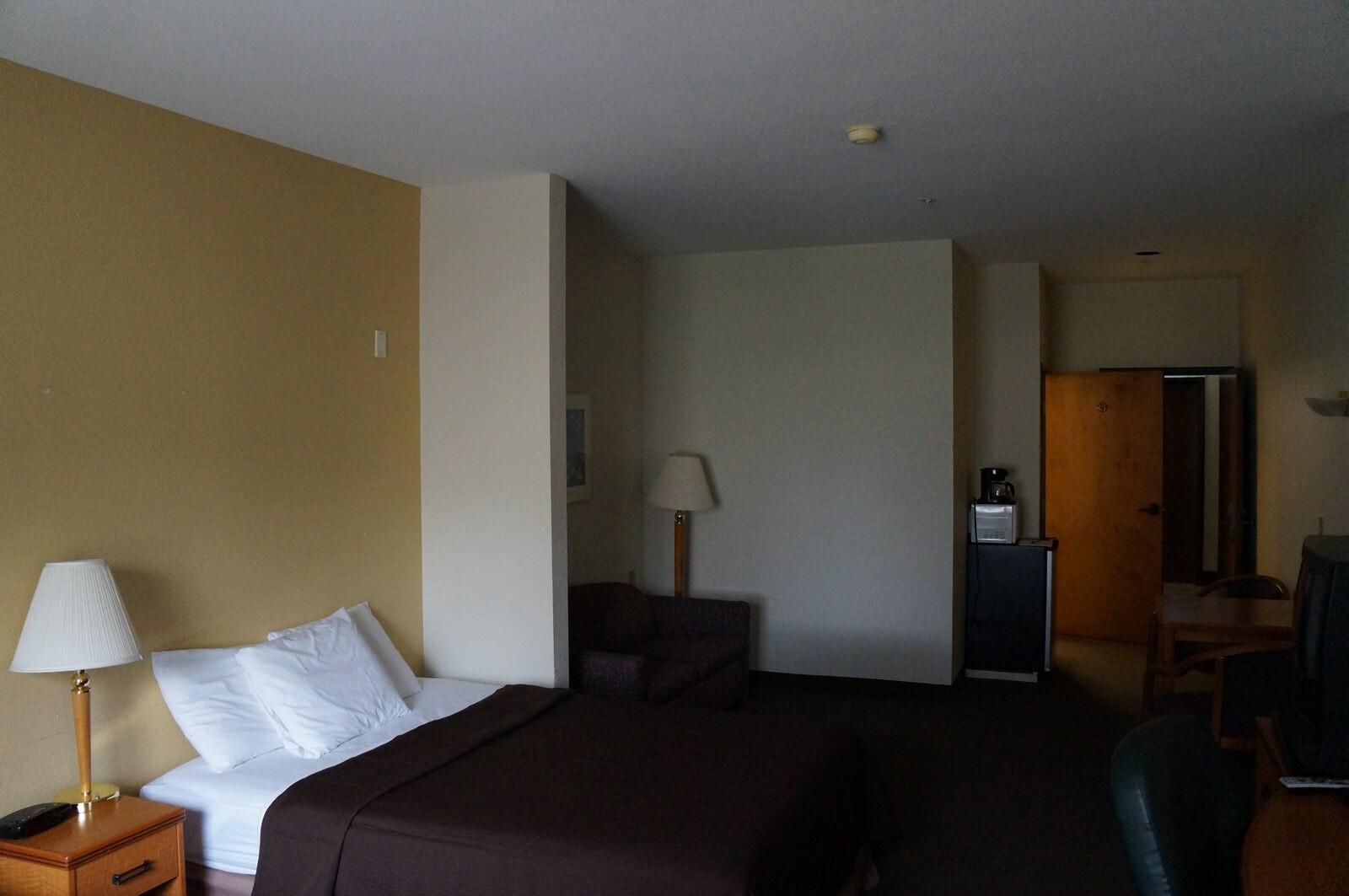
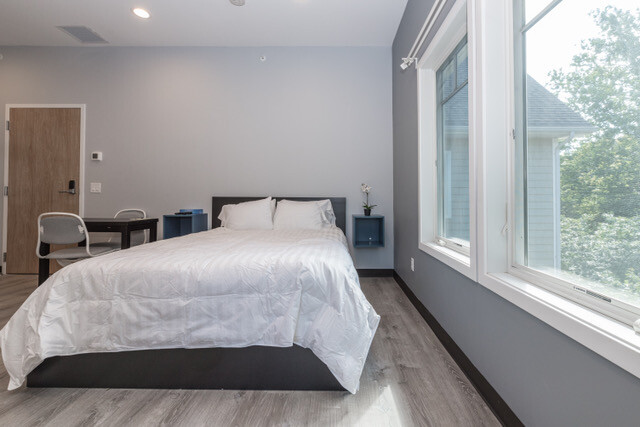
- Guestroom PTAC Sleeve & Moisture Intrusion Assessment: We inspected every individual Packaged Terminal Air Conditioner (PTAC) across all guestrooms. We pulled architectural front covers to check evaporator coils, blower fan assemblies, and condensate drain pans. We checked PTAC wall sleeves for wind-driven rain intrusion, assessing wall framing around unit penetrations for hidden moisture saturation and drywall degradation. We verified that electrical wall receptacles had not suffered water short-circuits.
- Exterior Breezeway Walkway & Handrail Structural Safety: We audited exterior raised concrete walkways, open stairwells, and steel guardrail assemblies. We checked concrete walkway underside soffits for water staining and spalling rebar, inspected steel railing post connections for structural rust, and tested handrail anchorage rigidity to prevent guest safety liabilities. We documented cracked cantilevered concrete slabs that required structural epoxy injection.
- Window Assembly & Architectural Sealant Evaluation: We inspected exterior guestroom aluminum window assemblies, evaluating perimeter caulking beads, glazing gaskets, and weep holes. Wind-driven rains force water through failed perimeter sealants, channeling moisture down exterior wall cavities where it deteriorates framing members and interior wallboard without immediate surface dampness.
- Electrical Switchgear & Domestic Hot Water Systems: We inspected main commercial electrical service gear, checking panel interiors for storm moisture infiltration, breaker oxidation, and phase load balancing. We audited central commercial domestic hot water boilers, verifying burner firing rates, circulating pump operation, and storage tank recovery capacities to ensure uninterrupted hot water during peak morning turnover. We tested emergency egress lighting battery packs along all exterior walkways.
- Central Commercial Laundry Facilities & Gas Dryers: We audited the commercial on-premise laundry room, inspecting two 50-pound commercial washer-extractors and commercial gas-fired tumble dryers. We inspected commercial gas supply manifolds, makeup air louvers, lint exhaust ductwork, and evaluated water heater dedicated recovery capacity to confirm the facility could maintain daily guest linen turnover without overloading domestic hot water loops or creating fire hazards.
- Insurance Capital Scope & Casualty Loss Underwriting: In the management office, we compiled detailed unit-cost reconstruction line items, reconciling insurance adjuster estimates against actual contractor trade bids. We established realistic capital reserves for exterior repainting, commercial window seal replacements, and complete roof system replacement under Texas Department of Insurance windstorm standards.
Field Execution, Code Realities & Underwriting Control
On the ground, protecting the project budget and schedule comes down to enforcing strict field standards across these critical details:
- Roof Insulation Core Sampling Essential: Surface inspections often miss trapped subsurface moisture beneath modified bitumen roof membranes. Driving rain enters through compromised perimeter flashings and saturates rigid polyisocyanurate insulation boards without immediately dripping through the ceiling. Wet insulation permanently destroys thermal performance and rots steel decking from above, requiring complete roof tear-off during subsequent building renovations. Electronic moisture scans and physical core sampling confirm the true extent of structural moisture penetration.
- Compromised PTAC Wall Sleeves Cause: When hurricane-force winds blow driving rain directly against exterior motel walls, unsealed PTAC architectural louvers channel water behind interior drywall assemblies. Trapped moisture inside demising wall cavities causes hidden drywall rot and odor complaints that force guestrooms out of service. Inspectors must test sub-window wall cavities with electronic moisture meters during post-storm due diligence and inspect perimeter sealant beads around all exterior sleeve flanges.
- Exterior Walkway Structural Defects Create: Exterior raised walkways with ponding water or failing deck coatings allow moisture to reach internal steel rebar, causing concrete spalling and weakened slab edges. Corroded railing baseplates anchored into deteriorating concrete represent catastrophic structural fall hazards. Documenting necessary concrete structural repairs early ensures buyers negotiate appropriate escrow credits before closing acquisition transactions and prevents costly municipal code citations.
The Ground Truth
On exterior-corridor highway motels, the joint where the concrete second-floor walkway meets the building wall and the seal around the through-wall PTAC air conditioner sleeve are the two most common points of water damage. Left unsealed, rainwater runs down inside the first-floor ceiling cavity and ruins the rooms below.
Mapping every roof blister, window seal failure, and mechanical defect room by room gave ownership an actionable repair scope to tighten up the building envelope and protect operating occupancy.