Combining a branded fuel apron with a multi-bay automotive repair center creates strong neighborhood cash flow, but automotive service bays carry environmental and mechanical inspection items that standard retail buyers miss.
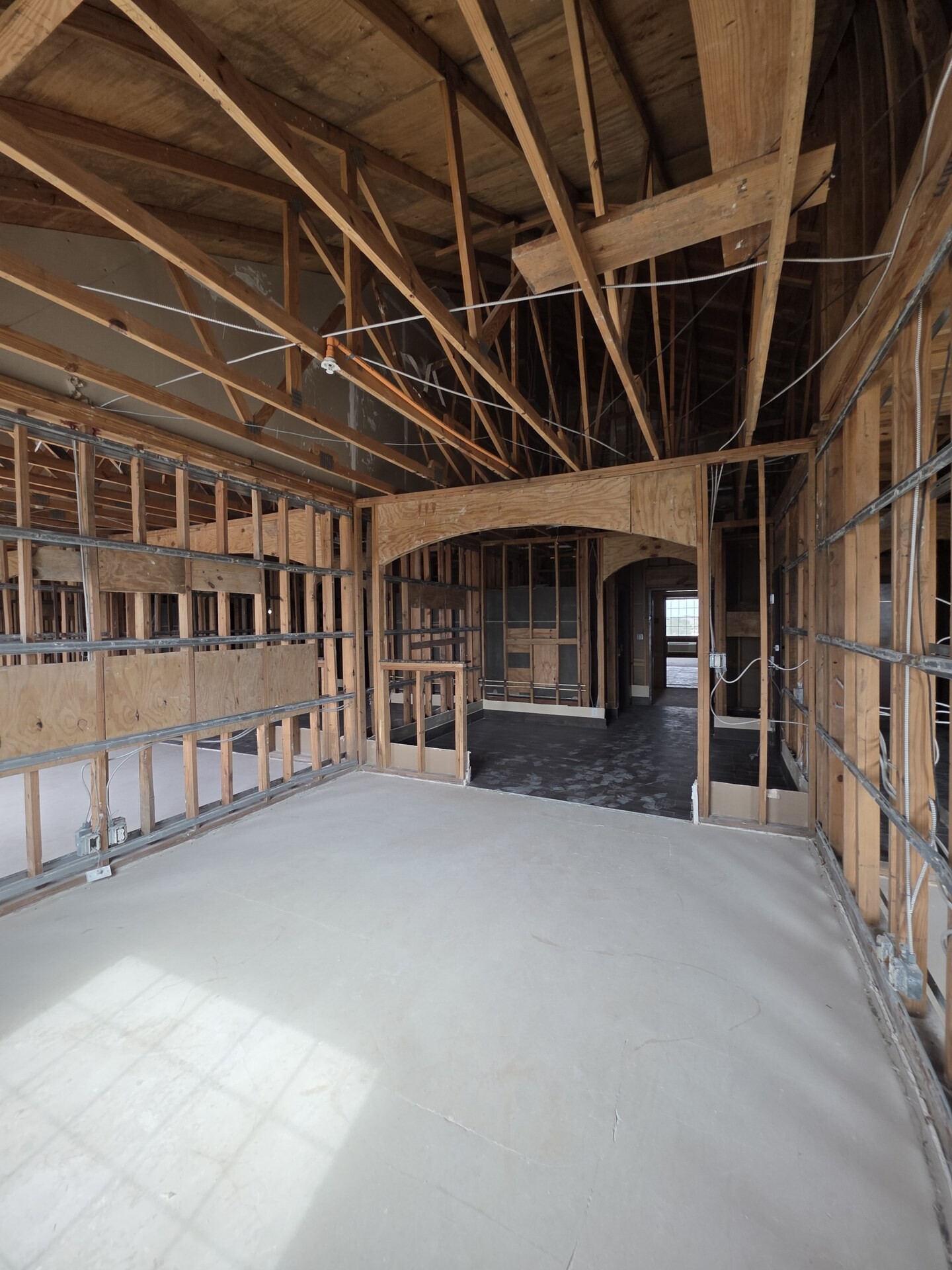
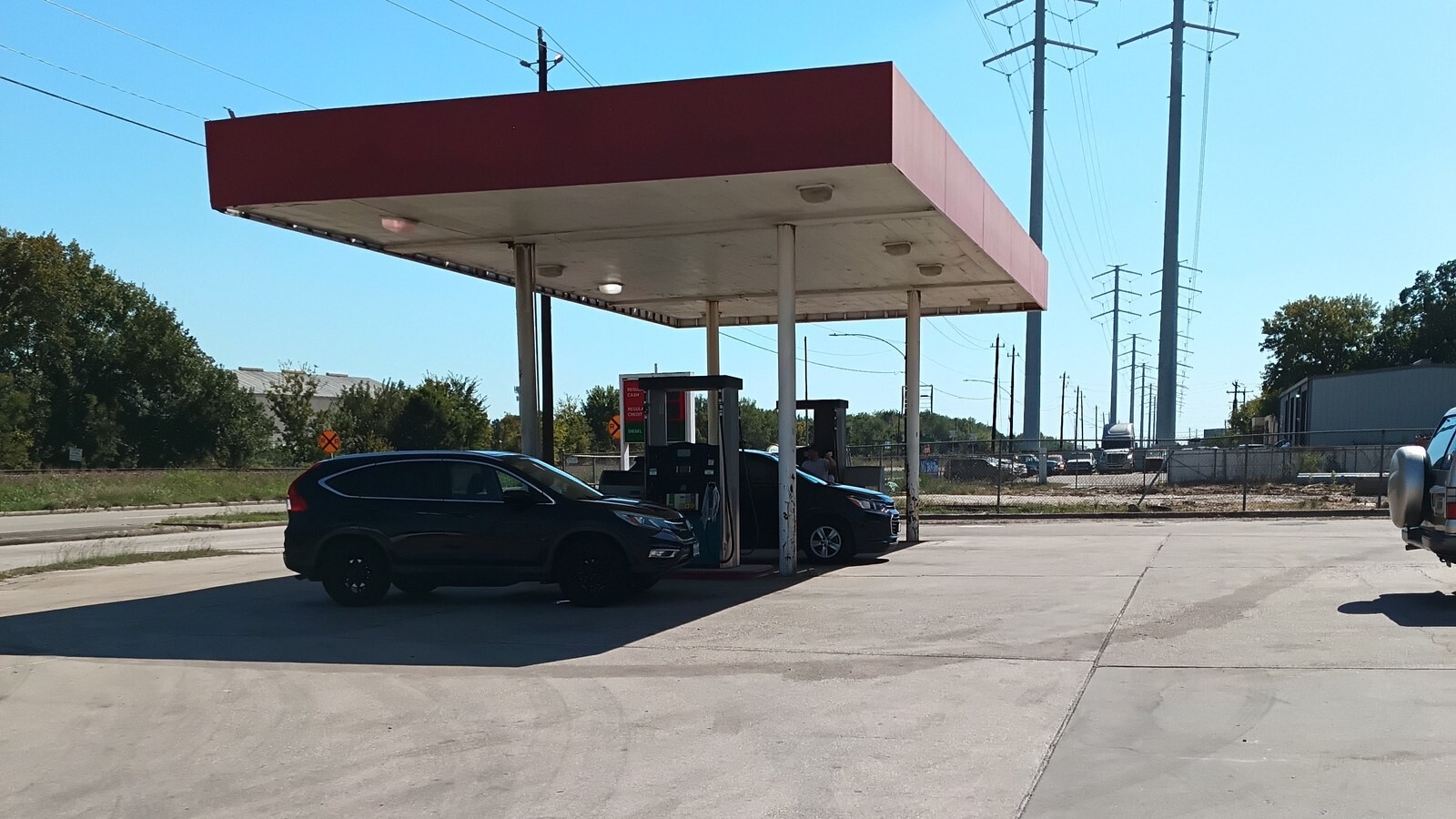
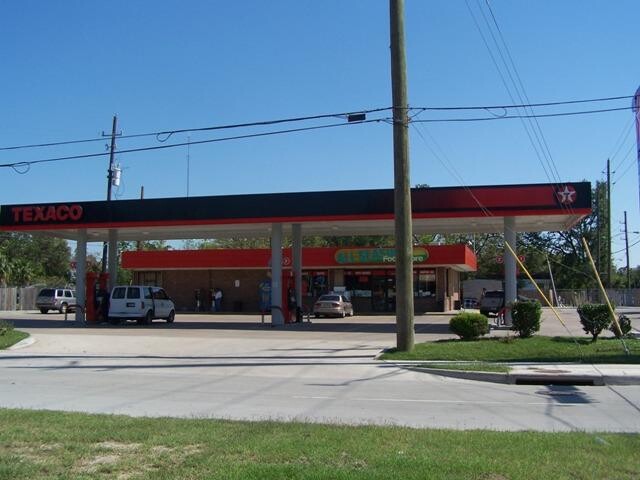
Auditing an operating Texaco fuel station and automotive car care center along a West Houston commercial corridor, we inspected both the petroleum forecourt and the mechanical shop floor. Outside, we verified the underground fuel tanks, dispensers, and canopy structure; inside the service bays, we inspected the hydraulic lift cylinders, compressed air distribution lines, waste-oil containment drums, and sub-slab grit and oil-water interceptors.
Texaco Fuel Canopy & Equipment Operations
Auditing an active commercial petroleum station demands rigorous inspection of dispensing systems:
- High-throughput commercial fuel dispensers: Inspected for metering precision, vapor recovery compliance, and digital customer displays.
- Fuel canopy structural framing: Roof drainage scuppers, and illuminated Texaco star identity elements evaluated for physical integrity.
- Underground petroleum storage tank systems: Audited for electronic leak detection monitoring and third-party regulatory certification.
- Emergency fuel shut-off controls: Fire extinguisher arrays, and under-canopy dry chemical suppression nozzles inspected.
Automotive Service Bay Mechanical Infrastructure
Auditing commercial vehicle service bays requires specialized technical verification of hydraulic and pneumatic systems:
- Hydraulic in-ground and above-ground: Vehicle service lifts inspected for mechanical locks, cylinder seal integrity, and load ratings.
- Industrial compressed air distribution: Piping and high-capacity stationary air compressor units tested for operating pressure.
- Waste oil collection tanks: Sub-slab evacuation piping, and hazardous fluid recycling storage systems audited for containment compliance.
- Heavy-duty commercial roll-up bay: Doors, tracks, and electric motor openers inspected for smooth operational cycling.
Commercial Corridor Underwriting & Revenue Optimization
Structuring the acquisition pro forma requires normalizing both fuel throughput and automotive service revenue:
- Historical automotive repair labor: Hours and parts markup margins audited to establish sustainable bay utilization rates.
- Distributor fuel rack margins: Transport freight fees, and brand credit card processing fees reconciled against wholesale averages.
- Convenience store retail floor space: Analyzed to enhance high-turnover grab-and-go snack and beverage offerings.
- Primary arterial road ingress: Curb cuts, customer parking bays, and vehicular stacking lanes evaluated for peak commuter access.
The Ground Truth
Automotive service bays generate steady high-margin labor revenue, provided the shop floor is run with strict environmental containment.
Verifying clean sub-slab interceptors, documented waste-oil manifests, and sound hydraulic equipment during due diligence protects the landowner from costly environmental cleanup later.