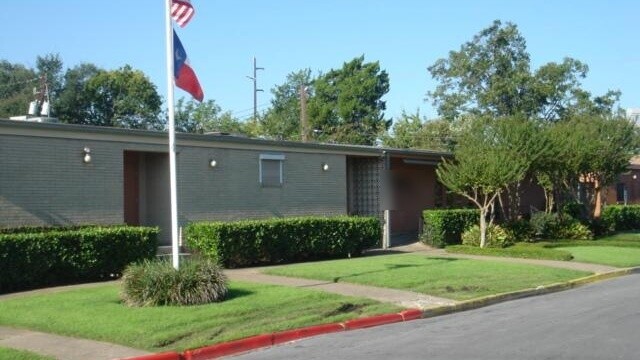
When we walk a specialized healthcare property like this skilled nursing facility in Central Texas, commercial due diligence moves far beyond standard building inspections into institutional life safety and twenty-four-hour mechanical reliability. In a facility housing vulnerable patients around the clock, an emergency generator transfer switch failure, a compromised fire-smoke damper, or a domestic hot water mixing valve fault isn't just a maintenance ticket; it is an immediate licensing and life-safety crisis.
We executed a comprehensive physical plant and regulatory life-safety audit across the healthcare complex. We inspected the emergency diesel backup generator and automatic transfer switchgear, audited the NFPA 99 medical gas storage and piping systems, checked the two-hour fire-rated smoke compartment barriers and corridor doors, and evaluated the commercial kitchen, commercial laundry, and central HVAC filtration plants.
Technical Specifications & Institutional Healthcare Trade Scope
Healthcare facilities operate under intense continuous mechanical utilization. Our on-site physical engineering audit examined every critical institutional assembly:
- Emergency Power Generation & Automatic Transfer Switches: We audited the central diesel emergency standby generator plant, day tank fuel storage, battery-starting chargers, and automatic transfer switches. We verified load-bank test logs and confirmed emergency power distribution feeds to critical branch circuits, surgical recovery areas, oxygen concentrators, and life safety exit illumination.
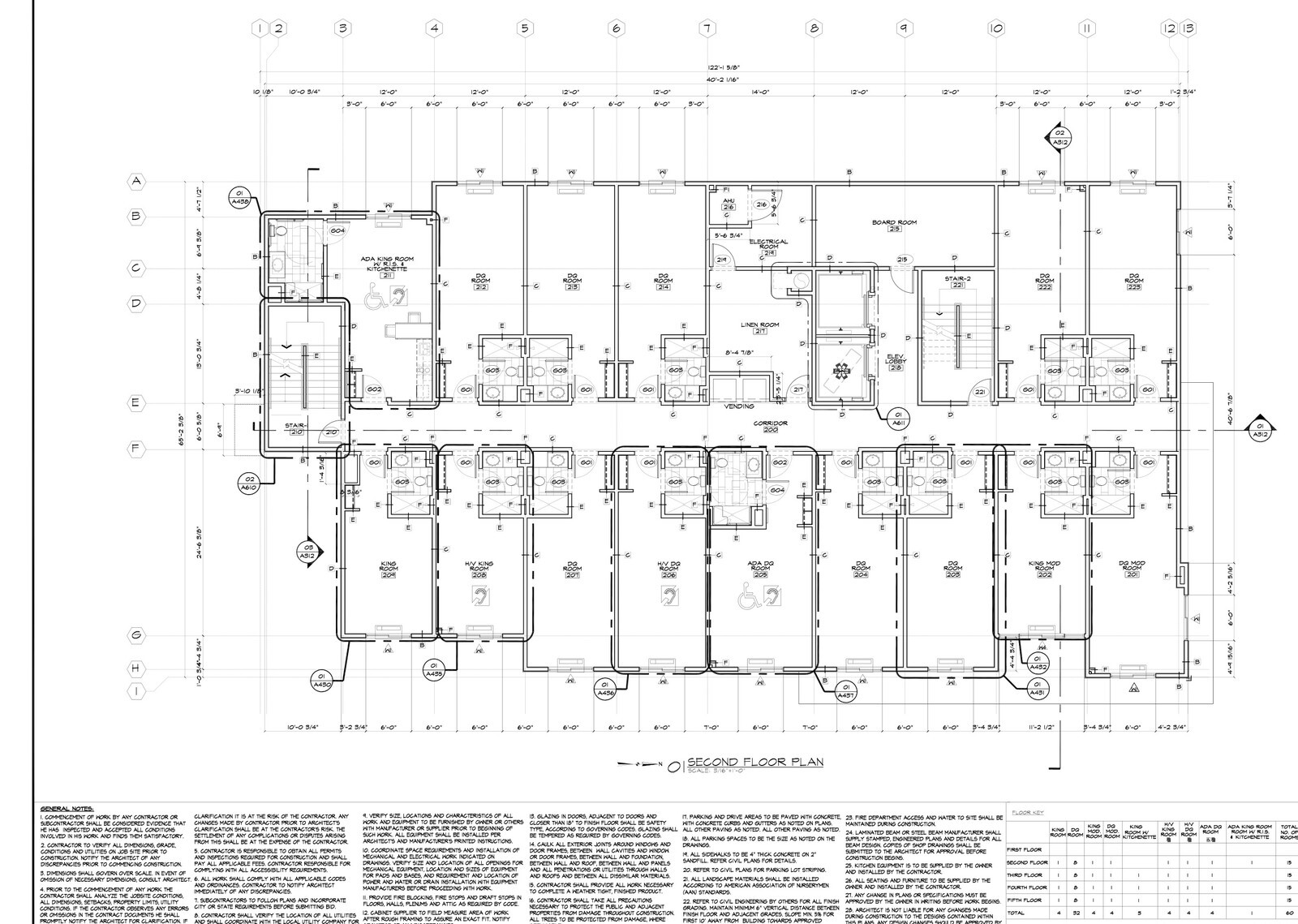
- Two-Hour Fire Barrier Compartmentalization: We inspected fire barrier walls, draft stops, and smoke barrier partitions dividing resident wings. We evaluated rated fire door assemblies, magnetic hold-open release hardware connected to fire alarm panels, and forensic penetration firestopping across utility wall sleeves.
- Medical Gas & Oxygen Distribution Infrastructure: We inspected central medical gas manifold rooms, emergency cylinder storage, vacuum pump skids, and piped medical gas zone shutoff valve boxes along resident corridors. We audited pipeline pressure gauges and low-pressure alarm sensors.
- Commercial Sanitizing & Laundry Mechanical Systems: We evaluated the commercial laundry facility, including heavy-duty gas-fired commercial dryers, commercial extractors, and commercial hot water sanitizing loops engineered to deliver 160-degree water for infection control compliance.
- Specialized Resident ADA Plumbing & Nurse Call Networks: We inspected roll-in shower assemblies, clinical nurse call pull cords, bedhead medical consoles, and certified backflow preventers on all domestic water lines to eliminate contamination risks.
Field Execution, Permitting & Code Realities
Underwriting healthcare acquisitions requires reconciling physical building condition against National Fire Protection Association Life Safety Code NFPA 101, Title 40 of the Texas Administrative Code, and local municipal health codes.
Our life safety audit inspected corridor travel widths, ensuring continuous eight-foot unobstructed clearances required for gurney transport. We checked that storage rooms exceeding code-specified areas were equipped with self-closing rated door assemblies and operational automatic sprinkler heads.
From an environmental and infection control standpoint, we audited the facility's air balance and HVAC filtration systems. Resident care wings require dedicated outside air makeup systems, positive air pressure in clean utility storage rooms, and negative air pressure in soiled linen holding areas to prevent airborne pathogen migration across resident living quarters.
Underwriting Discipline & Physical Plant Control
Healthcare real estate investments generate resilient long-term cash flow, but physical plant non-compliance can result in catastrophic operational shutdowns and license forfeitures. Executing disciplined institutional due diligence delivers essential investor protections:
- Elimination of Regulatory Licensing Surprises: Documenting life safety punch lists prior to closing allows buyers to budget mandatory code upgrades before state licensing transfer inspections take place.
- Accurate Capital Expenditure Allocation: Pinpointing generator servicing needs, commercial boiler scale, and roof membrane remaining useful lives prevents unexpected post-acquisition cash calls.
- Life Safety & Premises Liability Mitigation: Verifying non-slip flooring in resident bathrooms, certified grab bar wall anchors, and functioning nurse call response systems eliminates primary sources of patient injury litigation.
- Valuation Certainty During Lending Underwriting: Providing commercial healthcare lenders with comprehensive engineering audits accelerates loan approval and secures competitive debt pricing.
The Ground Truth
Healthcare real estate buyers who use standard commercial property inspectors almost always miss institutional code deficiencies required by Texas Health and Human Services and NFPA 101 Life Safety Code. Fixing unsealed fire-wall penetrations above acoustic ceilings or upgrading non-compliant patient bathing rooms after closing can easily run into hundreds of thousands of dollars.
Auditing the building through the lens of both a commercial builder and institutional healthcare code compliance gave the acquisition team an exact, unvarnished capital expenditure budget before going to the closing table.