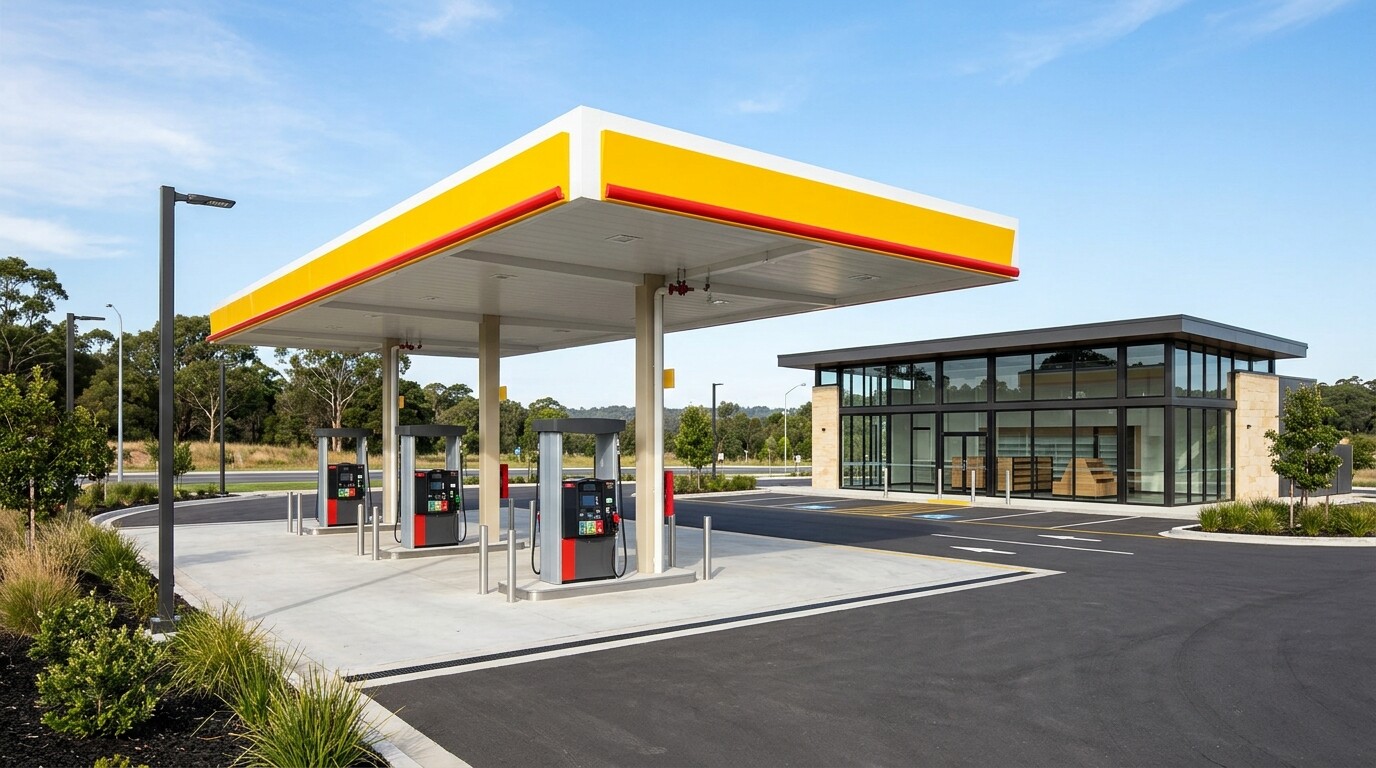
Underwriting a multi-unit petroleum wholesale distribution network and station portfolio is a completely different exercise from buying a single corner C-store. You are valuing terminal rack allocations, bulk tanker freight logistics, dealer supply contracts, and the underlying fee-simple real estate across multiple highway sites.
Running the financial and physical due diligence on a regional Shell wholesale distribution portfolio in the South Texas energy corridor, we broke the valuation into three clear buckets: company-operated retail stations, third-party dealer supply contracts, and bulk transport fleet economics. We normalized the consolidated EBITDA by stripping out non-recurring inventory gains and walked each real estate parcel to verify tank compliance and physical plant condition.
Wholesale Fuel Distribution Ledgers & EBITDA Normalization
Auditing multi-unit petroleum distribution businesses demands forensic accounting of wholesale fuel margins:
- Consolidated financial statements: Audited across multi-year operating cycles to normalize wholesale fuel gallonage revenue and transport expenses.
- Terminal rack buying margins: Analyzed against spot market commodity volatility to model sustainable baseline cash flow yields.
- Distributor fuel supply contracts: Audited across branded retail dealers, evaluating volume minimums, branded signage fees, and dealer surcharges.
- Transport fleet delivery logistics: And commercial freight hauling cost structures benchmarked against regional carrier rates.
Retail Portfolio Asset Valuation & Real Estate Appraisals
Establishing accurate asset collateral values requires individual appraisal underwriting across all retail locations:
- Independent commercial real estate appraisals: Audited across multiple retail fuel properties to establish fee-simple and leased-fee values.
- High-traffic commercial highway sites: Evaluated for underlying land appreciation and long-term commercial redevelopment optionality.
- Convenience store gross inside: Sales and dealer lease rental streams analyzed to isolate commercial property returns from fuel margins.
- Underground fuel storage tank: Environmental compliance histories and state remediation fund registrations audited across the portfolio.
Portfolio Capital Structuring & Operational Integration
Structuring multi-unit wholesale acquisitions requires disciplined capital stack assembly:
- Senior debt facilities and: Working capital credit lines structured to support daily terminal wholesale fuel purchases.
- Environmental insurance risk indemnification frameworks: Structured to insulate the acquiring entity from legacy liabilities.
- Shell corporate jobber franchise: Agreements and brand distribution license rights verified for ownership transfer eligibility.
- Automated back-office petroleum accounting: Software and daily electronic tank monitoring platforms integrated for centralized control.
The Ground Truth
In a multi-unit fuel portfolio, consolidated spreadsheets always hide one or two underperforming sites or expiring dealer contracts.
Auditing every station's tank compliance, real estate value, and individual rack-to-retail margin one site at a time ensures you price the portfolio on durable cash flow rather than top-line volume.