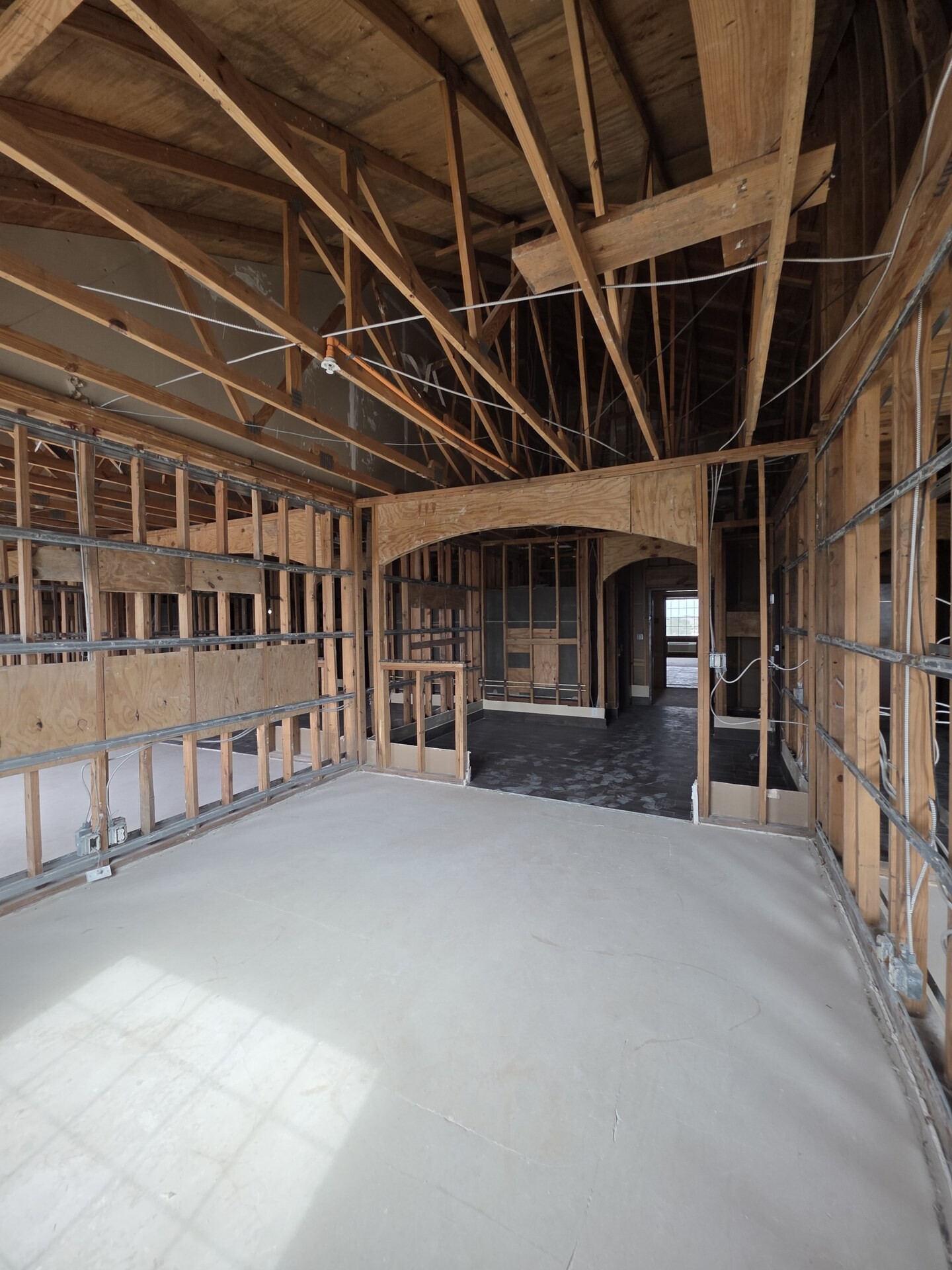
When a branded fuel canopy sits on the same pad as an inline multi-tenant retail strip, the property gives an investor two completely different cash streams: daily high-velocity fuel and convenience sales up front, backed by contractual monthly rent checks from the inline bays.
Running the acquisition audit on a Shell fuel station, C-store, and retail center along a Southeast Houston commuter corridor, we verified both sides of the ledger independently. We reconciled twelve months of fuel delivery bills of lading against dispenser meter totals and jobber rack rebates, audited walk-in cooler and dry-goods gross margins inside the C-store, and reviewed every inline tenant's lease terms and HVAC maintenance clauses.
Shell Fuel Canopy & Underground Storage Tank Due Diligence
Auditing commercial petroleum infrastructure demands thorough verification of environmental integrity and equipment capacities:
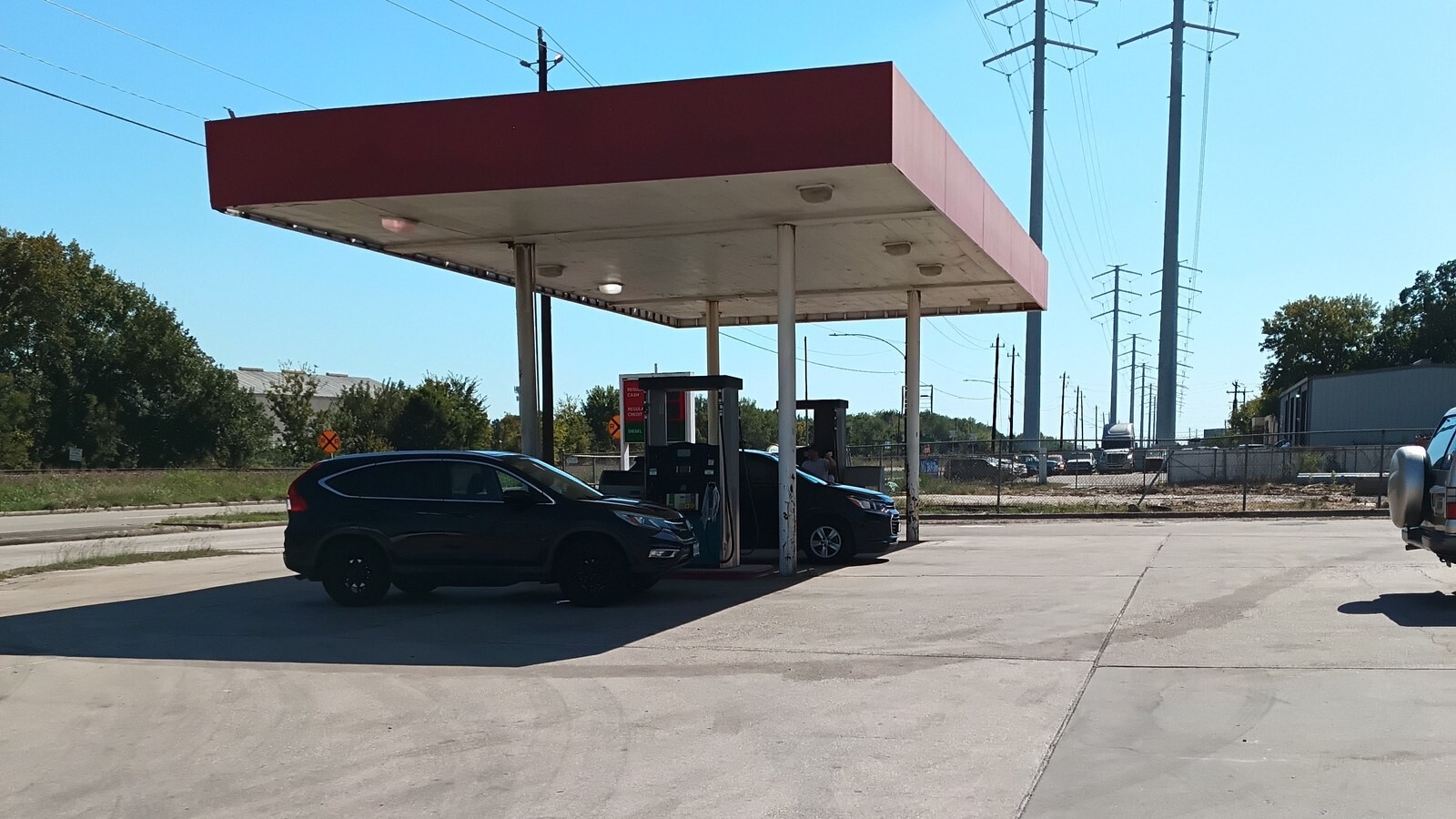
- Multi-product fuel dispenser islands: Audited to verify electronic calibration, vapor recovery compliance, and high-flow delivery speeds.
- Double-wall fiberglass underground storage tank systems: Inspected for automated interstitial sensor monitoring and leak detection logs.
- Jobber fuel distribution agreements: Evaluated to analyze rack wholesale pricing formulas, freight delivery surcharges, and annual volume rebates.
- Fuel canopy structural steel: Framing, high-output LED under-canopy lighting, and Shell corporate brand identity elements surveyed.
Convenience Store Retail Operations & Merchandise Velocities
Maximizing inside-store retail revenue requires optimizing customer circulation and high-margin product placement:
- Commercial convenience store layout: Analyzed to maximize visibility across impulse point-of-sale displays, packaged beverages, and tobacco counters.
- Multi-door walk-in beverage cooler assemblies: Inspected for compressor cooling efficiency, rear-loading racking, and temperature logging.
- Electronic point-of-sale register consoles: And back-office inventory accounting platforms audited for real-time inventory reconciliation.
- Commercial quick-service food preparation: Counters, fountain beverage dispensers, and automated coffee stations evaluated for customer throughput.
Multi-Tenant Commercial Strip Center Integration
Managing inline retail tenants on a high-volume commercial pad requires disciplined lease administration:
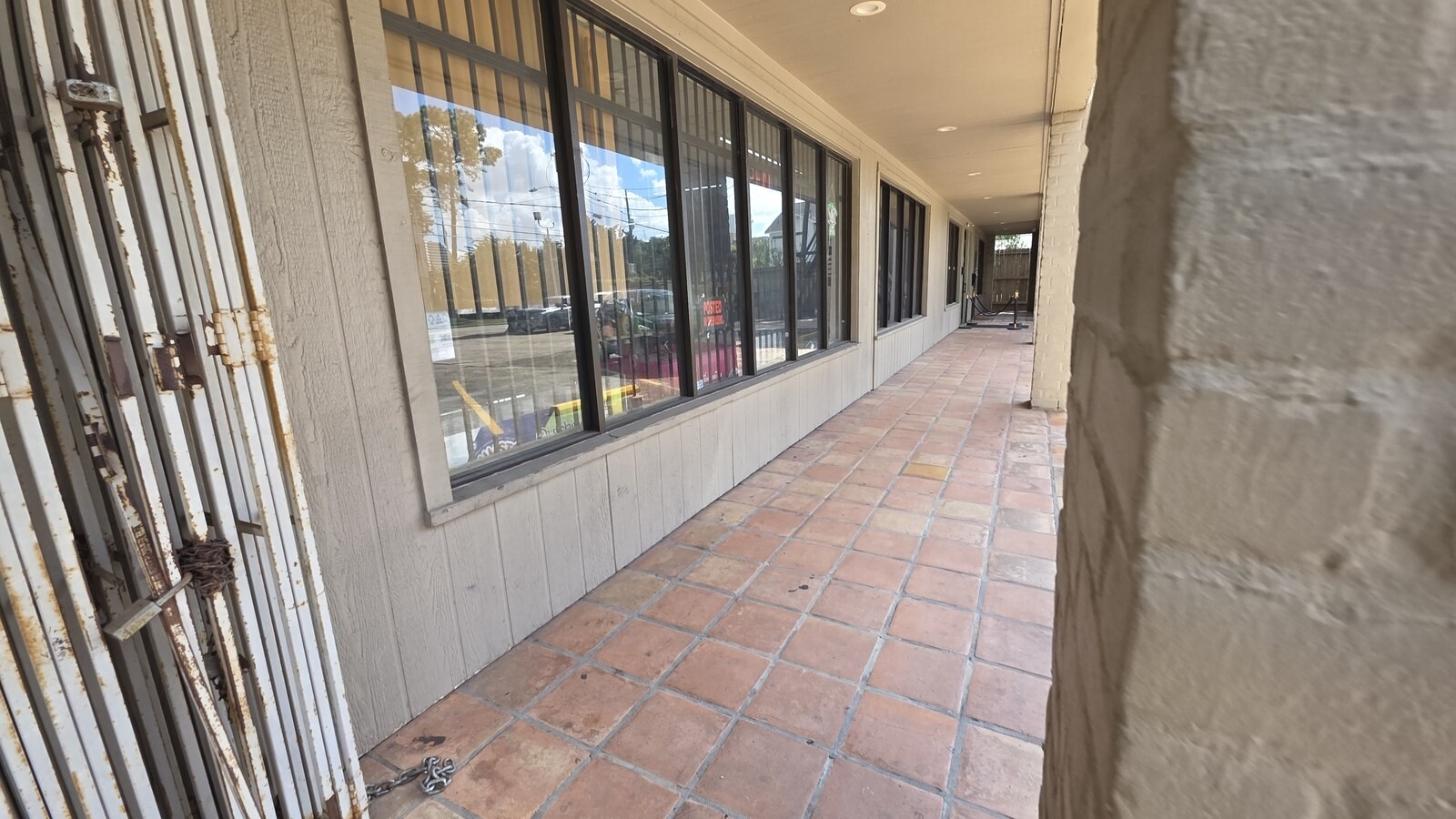
- Tenant lease agreements: Audited to confirm triple-net (NNN) common area maintenance reconciliations, real estate tax prorations, and renewal options.
- Staggered lease rollover schedules: Structured to maintain consistent baseline rental income and protect debt service coverage ratios.
- Surface asphalt parking lot: Circulation, vehicular ingress curb cuts, and perimeter drainage swales inspected for heavy traffic durability.
- High-visibility commercial pylon signage allocations: Audited across inline retail tenants to support maximum street visibility.
The Ground Truth
Combined fuel and retail strip centers work best when the inline tenants feed off the daily gas-pump traffic without draining the landlord's maintenance budget.
Auditing the tank compliance, the C-store register margins, and the triple-net lease pass-throughs before closing ensures all three income engines actually hit the bottom line.