When we underwrite a garden-style multi-family residential community along a busy San Antonio transit corridor, we look straight at the infrastructure items that eat apartment cash flow alive: roofs, foundations, central boilers, underground cast-iron or PVC drain lines, and exterior concrete breezeways. Sellers love to show off two newly renovated model units with granite counters and vinyl plank flooring, while twenty building roofs and three boiler rooms are quietly reaching the end of their service life.
We executed a comprehensive physical plant audit and capital reserve assessment across the apartment complex. We walked the pitched shingle roofs and fascia boards across every residential building, inspected the slab-on-grade foundations and expansive clay drainage grading, audited the exterior steel stairs and raised concrete walkways for spalling and rust, and inspected a wide sample of interior units and mechanical closets.
Technical Specifications & Multi-Family Residential Scope
Multi-family residential apartment communities endure continuous tenant turnover, high domestic water usage, and intense climate cycles. Our on-site physical engineering audit examined every primary building system:
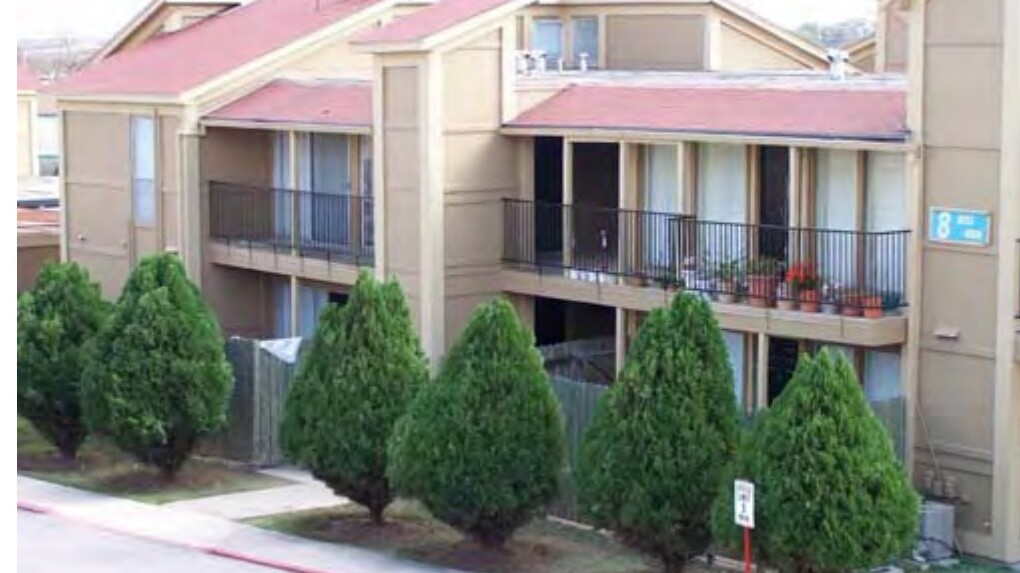
- Two-Story Timber Framing & Exterior Stucco/Siding Envelopes: We inspected the concrete slab-on-grade foundations, load-bearing wood stud wall framing, exterior stucco assemblies, and painted fiber-cement siding. We probed for localized framing rot near foundation perimeters, checked second-floor cantilevered breezeway walkways, and evaluated structural handrails.
- Pitched Asphalt Shingle Roofs & Attic Ventilation: We walked the multi-building pitched asphalt shingle roofs. We inspected shingle granule adhesion, valley flashing seals, ridge vents, and checked attic spaces for proper fiberglass batt insulation depths and adequate natural ventilation to prevent moisture accumulation.
- Decentralized Residential HVAC Split Systems: We audited individual outdoor condensing units and indoor air handlers across occupied and vacant units. We evaluated compressor operating amps, refrigerant types, copper line-set insulation, and checked condensate drain line routing to prevent interior ceiling leaks.
- Domestic Plumbing & Water Metering Infrastructure: We evaluated the central domestic water service entrance, pressure reducing valves, and individual unit water heaters. We checked for historical galvanized or polybutylene piping risks and evaluated the viability of sub-metering water to recover utility expenses.
- Civil Site Asphalt Paving & Stormwater Swales: We inspected the heavy asphalt parking fields, concrete curbs, dumpster enclosure pads, and perimeter stormwater drainage swales, evaluating pavement cracking and base stability under repetitive residential vehicle traffic.
Field Execution, Permitting & Code Realities
Operating a multi-family residential property in Bexar County requires compliance with the City of San Antonio commercial building and housing codes, fair housing mandates, and Texas property code rules.
Our due diligence team conducted physical walkthroughs across a statistically significant sample of interior tenant units. We audited smoke detector functionality, emergency egress window opening clearances, electrical GFCI outlet compliance in kitchens and bathrooms, and verified that deadbolt door locks and window latches met Texas Property Code security standards.
From an accessibility perspective, we audited the physical path of travel connecting designated accessible parking stalls to the property leasing office, clubhouse amenities, mail kiosks, and ground-floor residential units. Documenting specific sidewalk crack displacements and ramp slopes provided an exact punch list for immediate capital repair.
Underwriting Discipline & Physical Plant Control
Multi-family real estate acquisitions depend on stable rental income and controlled capital expenditures. Forensic due diligence delivers foundational financial protections:
- Uncovering Concealed Deferred Maintenance Costs: Identifying aging residential split-system air conditioners and worn roof shingles before closing ensures buyers negotiate direct purchase price reductions or repair escrow holdbacks from the seller.
- Accurate Replacement Reserve Allocation: Establishing documented replacement schedules for HVAC equipment, water heaters, and parking lot sealcoating prevents operational cash flow disruptions.
- Life Safety & Premises Liability Mitigation: Repairing cracked concrete walkways, securing loose stair stringers, and maintaining bright parking lot pole lighting eliminates common tenant injury claims.
- Utility Expense Recovery via Sub-Metering: Installing wireless water sub-meters or implementing a Ratio Utility Billing System (RUBS) shifts domestic water utility overhead back to tenants, immediately increasing net operating income.
The Ground Truth
In workforce and mid-market multi-family acquisitions, the difference between a profitable deal and a cash trap comes down to deferred maintenance accuracy. You can always upgrade apartment interiors out of operating cash flow as leases turn, but an unexpected roof replacement or sewer main collapse hits the balance sheet all at once.
Delivering an honest, building-by-building capital expenditure schedule before the inspection period expired allowed the buyer to price the true five-year physical plant needs into the deal and step into ownership with no mechanical surprises.