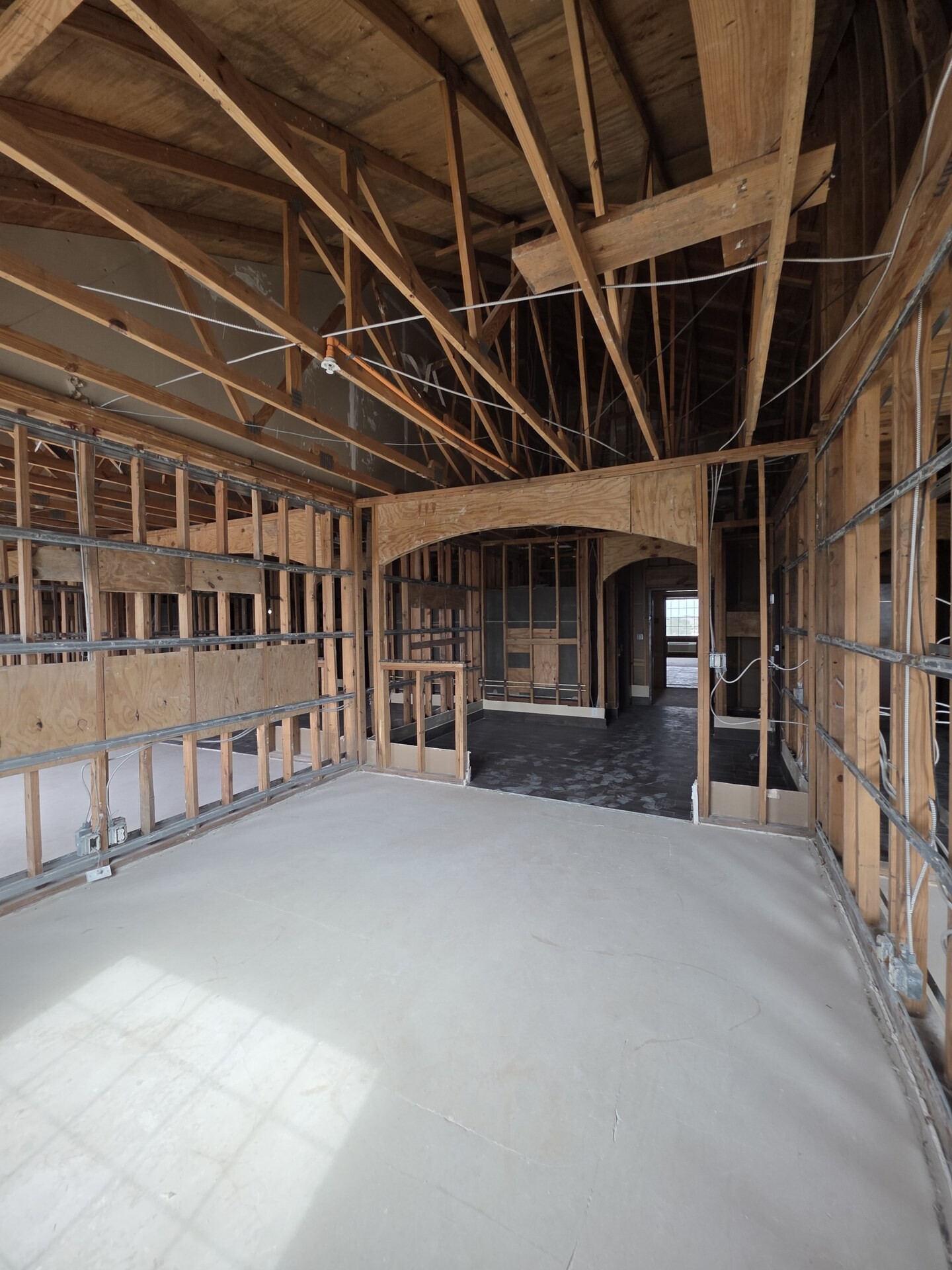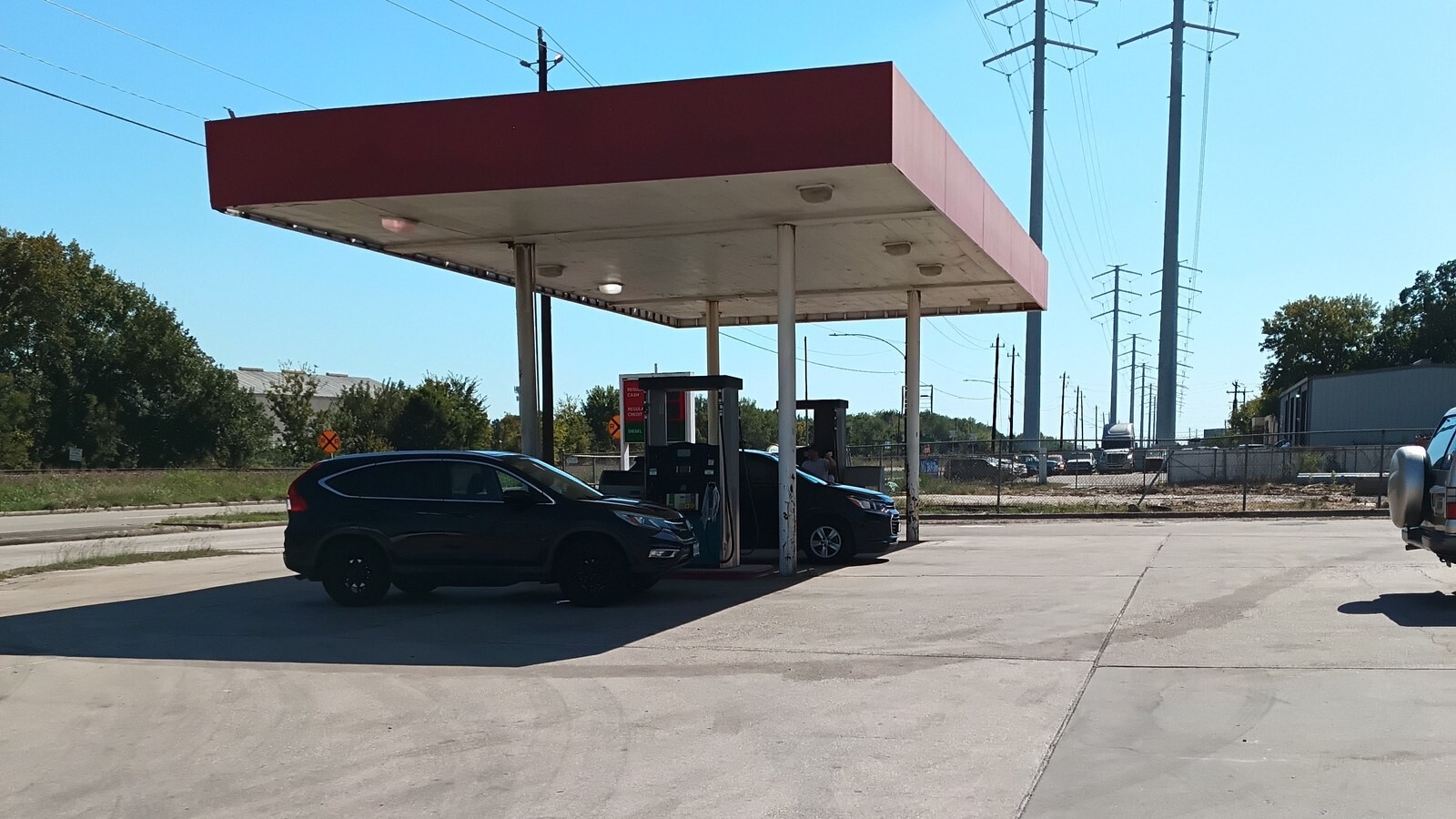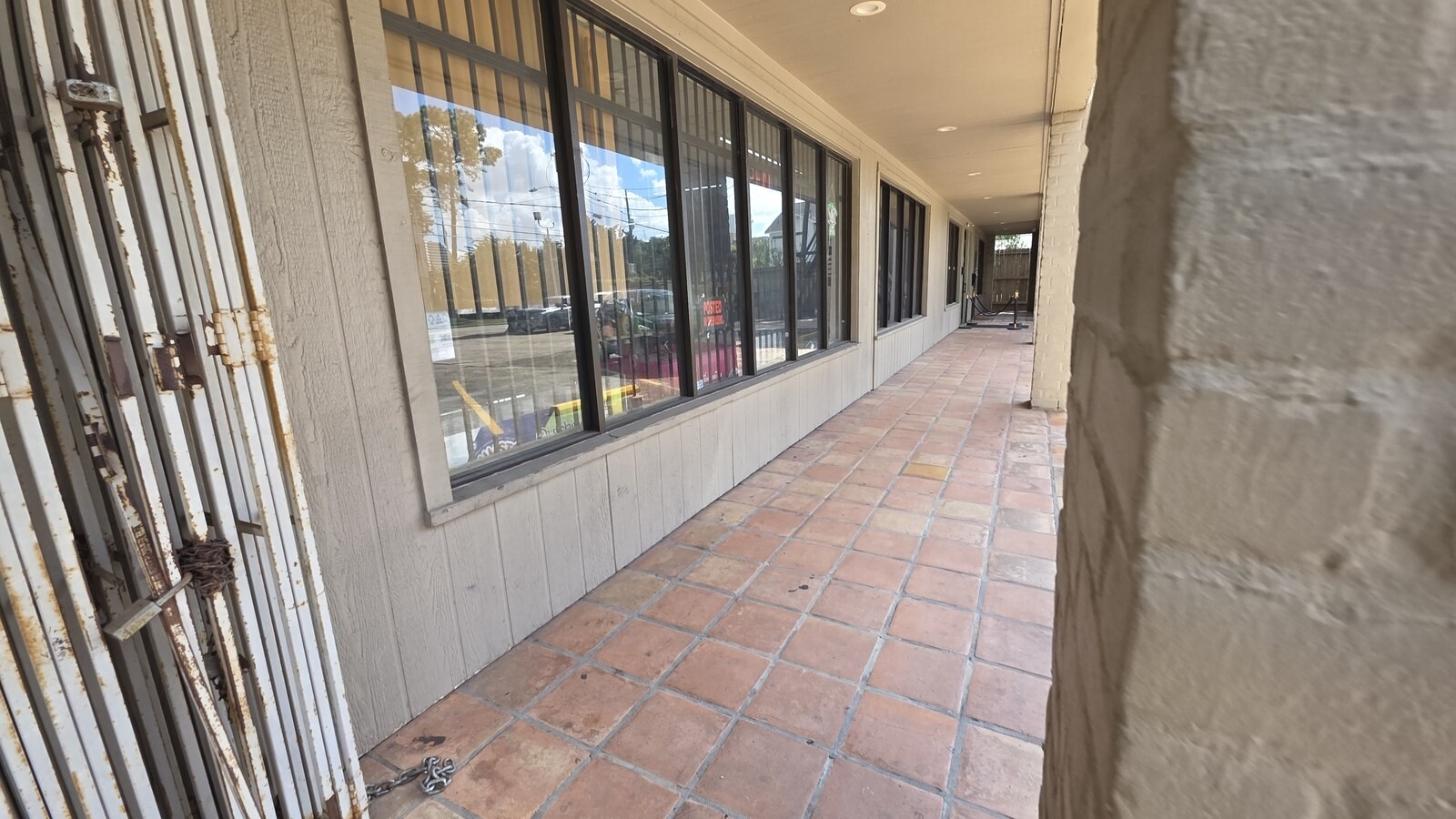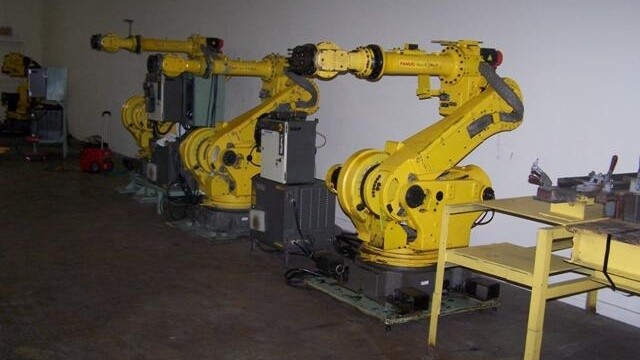
When we underwrite a specialized industrial manufacturing facility like this precision CNC machine shop and automated robotic cell plant in Houston, standard warehouse inspection checklists don't even scratch the surface. Precision machining centers and industrial robots run on heavy 480-volt three-phase power, require rock-steady concrete foundations that won't transmit vibration across the floor, and depend on clean compressed-air loops, bridge cranes, and climate-controlled bays to hold tight machining tolerances.
We executed an industrial engineering and physical plant due diligence audit across the manufacturing facility. We inspected the primary electrical transformers, main switchgear, and overhead busway distribution, audited the bridge crane runway beams and structural steel columns, checked the thick reinforced concrete slab under the CNC and robotic cells for micro-settlement or oil saturation, and evaluated the high-tonnage industrial HVAC and coolant containment systems.
Technical Specifications & Industrial Manufacturing Trade Scope
Industrial precision machine shops combine heavy structural loads with sensitive electronic and automated robotics equipment. Our on-site audit inspected every critical operational system:
- Heavy Three-Phase 480V Industrial Electrical Service: We audited the main electrical switchgear, busway distribution runs, step-down transformers, and motor control centers. We verified total connected amperage, inspected panels for phase imbalance using infrared thermography, and checked circuit breaker capacities dedicated to high-draw CNC machining centers and robotic power sources.
- Structural Steel Frame & Overhead Crane Runway Rails: We inspected the clear-span structural steel rigid frame bents, columns, and overhead bridge crane runways. We evaluated crane girder deflections, rail alignment, end-stop bumpers, hoist electrification tracks, and verified certified lifting capacity ratings for heavy steel handling.
- Reinforced Industrial Concrete Slab & Vibration Isolation: We audited the heavy concrete slab-on-grade for crack patterns, floor flatness, and structural thickness required to support multi-ton precision CNC machines without settling. We evaluated specialized isolated foundation pads engineered to dampen mechanical vibrations that degrade precision machining tolerances.
- Compressed Air & Pneumatic Distribution Grids: We evaluated the central rotary screw air compressor skid, refrigerated air dryers, receiver tanks, and aluminum/steel loop distribution piping providing dry, oil-free compressed air to automated pneumatic robotic tool changers.
- Industrial Ventilation, Mist Collection & Environmental Sump Drainage: We inspected rooftop exhaust ventilation, machine-mounted oil mist collection units, and interior floor trench drains. We verified compliance with municipal industrial pretreatment regulations governing the disposal of machine coolants, cutting fluids, and washdown water.
Field Execution, Permitting & Code Realities
Operating an industrial machine shop in the Houston manufacturing market requires strict compliance with OSHA industrial workplace standards, City of Houston commercial building codes, and municipal environmental wastewater pretreatment permits.
Our environmental review focused on chemical storage and industrial waste management. We audited secondary containment berms around bulk cutting fluid drums, coolant mixing stations, and waste oil holding tanks. Ensuring hazardous materials were properly contained with sealed floor surfaces prevents industrial hydrocarbon leaks from penetrating subsurface soils or entering municipal storm sewers.
Life safety evaluations verified minimum travel distances to industrial egress portals, continuous clear widths along heavy equipment transit lanes, and code-compliant eyewash and safety shower stations plumbed to potable water supplies within ten seconds of chemical handling zones.
Underwriting Discipline & Physical Plant Control
Industrial manufacturing facilities offer premium rental rates and strong tenant retention, but unaddressed electrical or structural deficiencies can cost hundreds of thousands to remediate. Disciplined pre-acquisition due diligence provides essential financial safeguards:
- Electrical Capacity Certainty: Confirming existing switchgear amperage and transformer capacity protects buyers from costly utility infrastructure upgrades when expanding production equipment.
- Overhead Crane Operational Safety: Structural engineering audits of bridge cranes and support rails ensure safe lifting operations, eliminating catastrophic equipment drop liabilities and workplace injury risks.
- Environmental Liability Protection: Documenting baseline soil and slab conditions around coolant trenches protects property owners from inheriting historical contamination liabilities caused by previous industrial operators.
- Maximum Tenant Re-Leasing Versatility: Verifying heavy power, reinforced slabs, and ample clear heights enables commercial landlords to market the facility to high-value industrial tenants across aerospace, energy, and automated manufacturing sectors.
The Ground Truth
In heavy manufacturing real estate, the building's utility infrastructure and crane capacity often cost nearly as much to replicate as the shell itself. If a buyer acquires a machine shop assuming they can add four more multi-axis machining centers, only to discover the utility transformer and main switchboard are already running at ninety percent load, the expansion plan hits a six-month utility company delay.
Verifying exact electrical amperage headroom, crane rail alignment, slab integrity, and environmental containment up front gave the buyer complete confidence that the physical plant could support high-precision automated manufacturing without a single infrastructure bottleneck.