Commercial laundromats and automated car wash facilities are industrial water processing plants operating behind a retail storefront. While standard retail bays require modest domestic plumbing and electrical service, a commercial wash facility requires massive water volume, instantaneous high-BTU water heating, specialized drainage filtration, and dedicated three-phase electrical distribution.
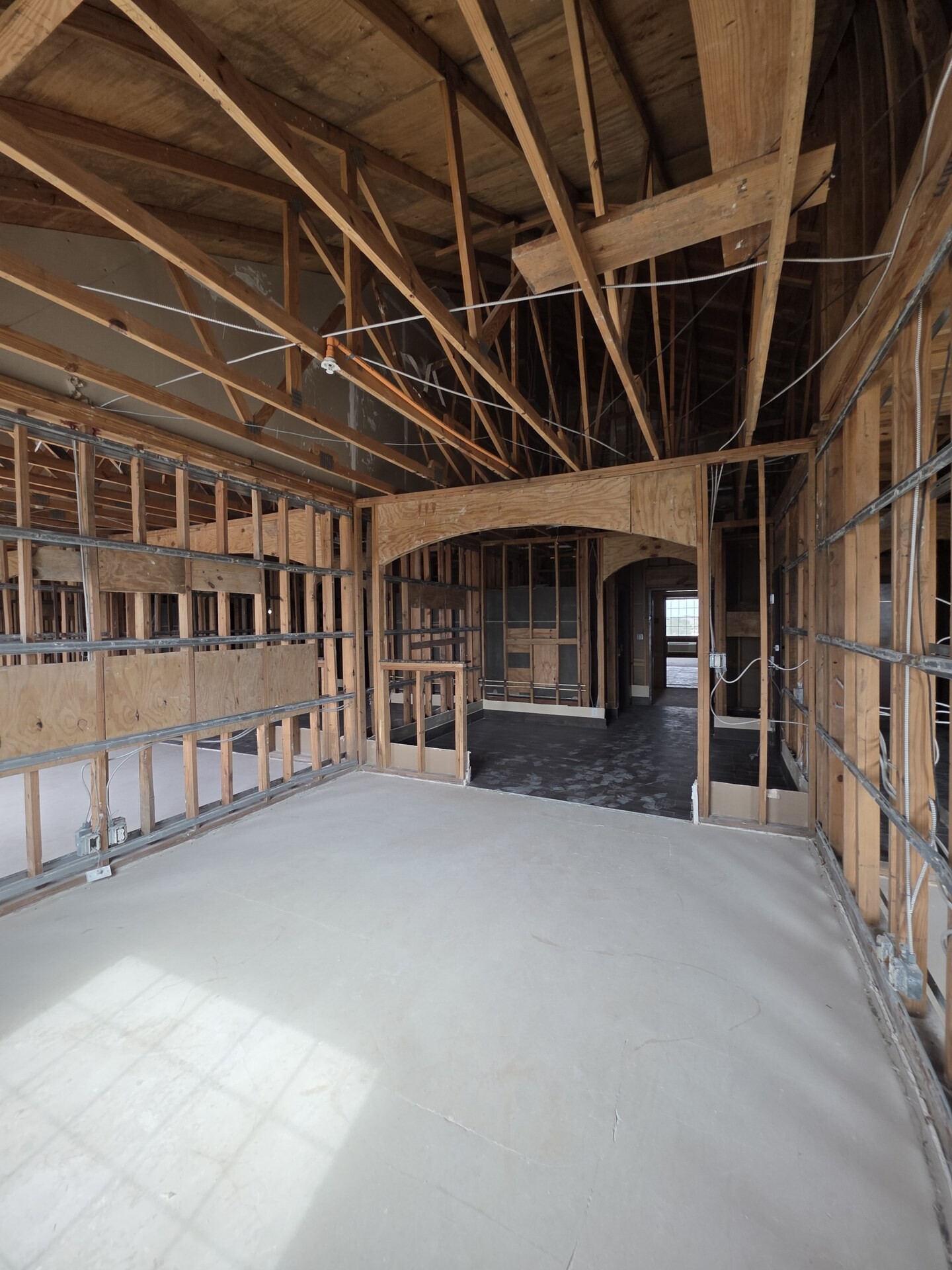
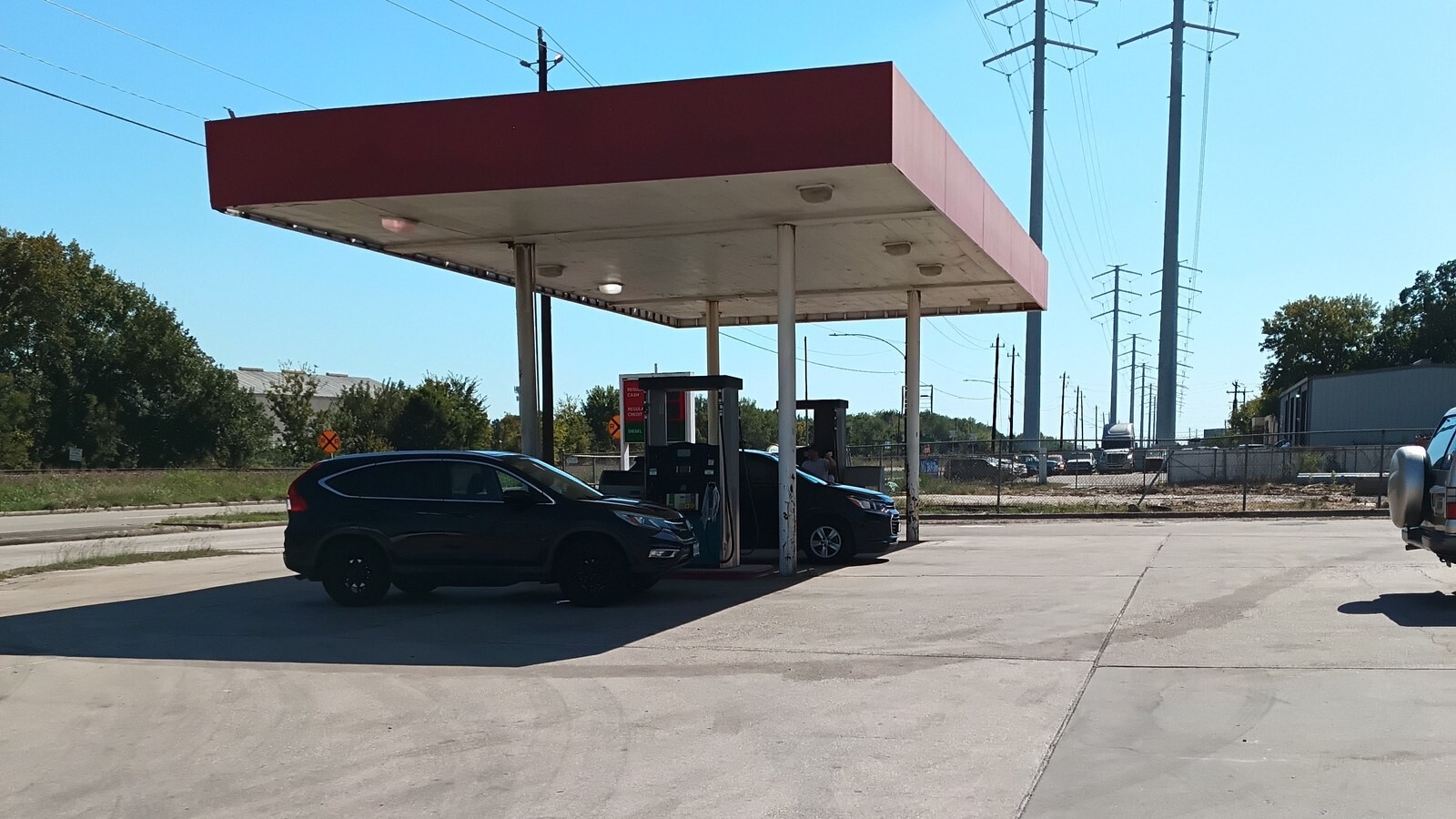
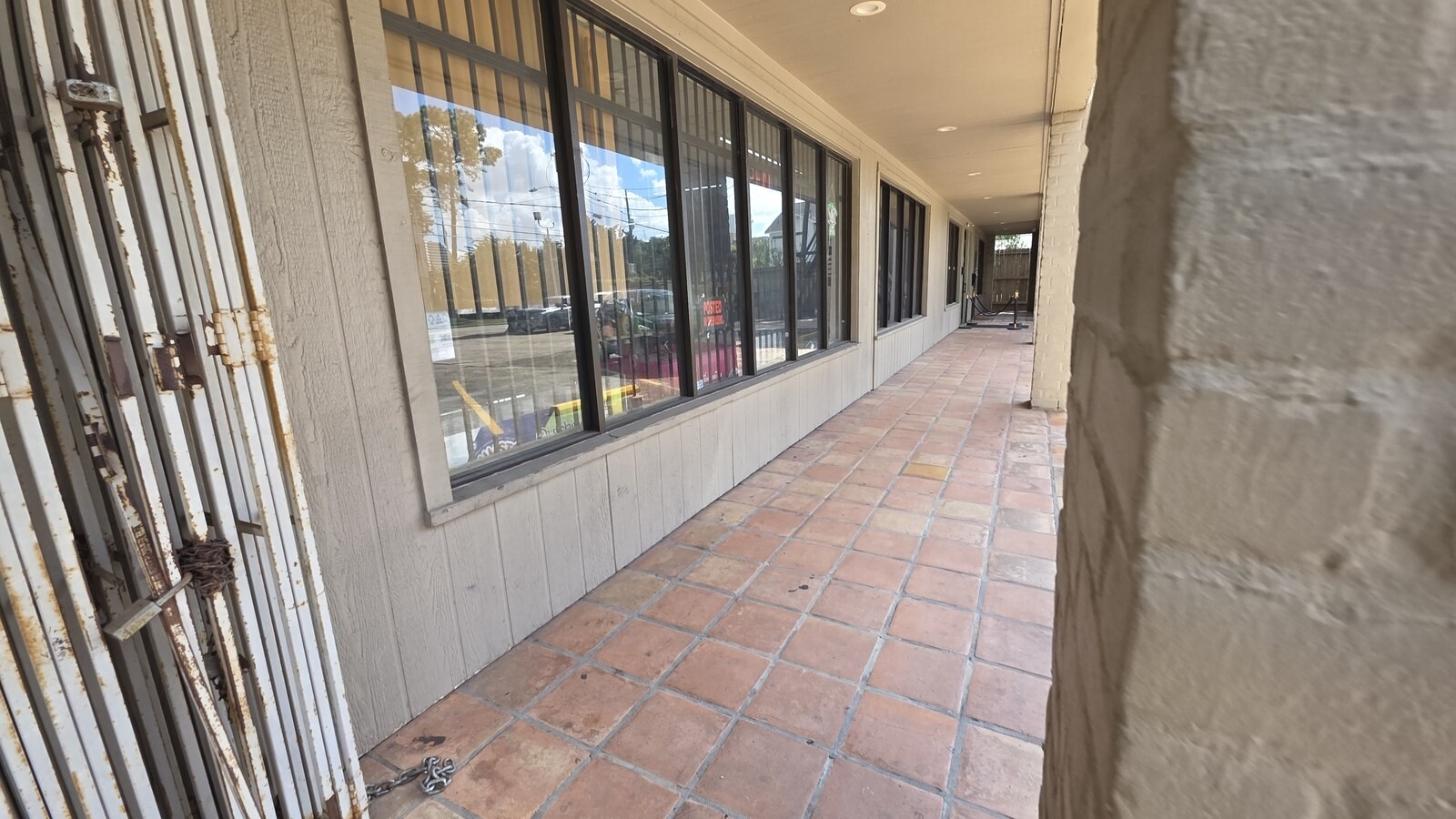
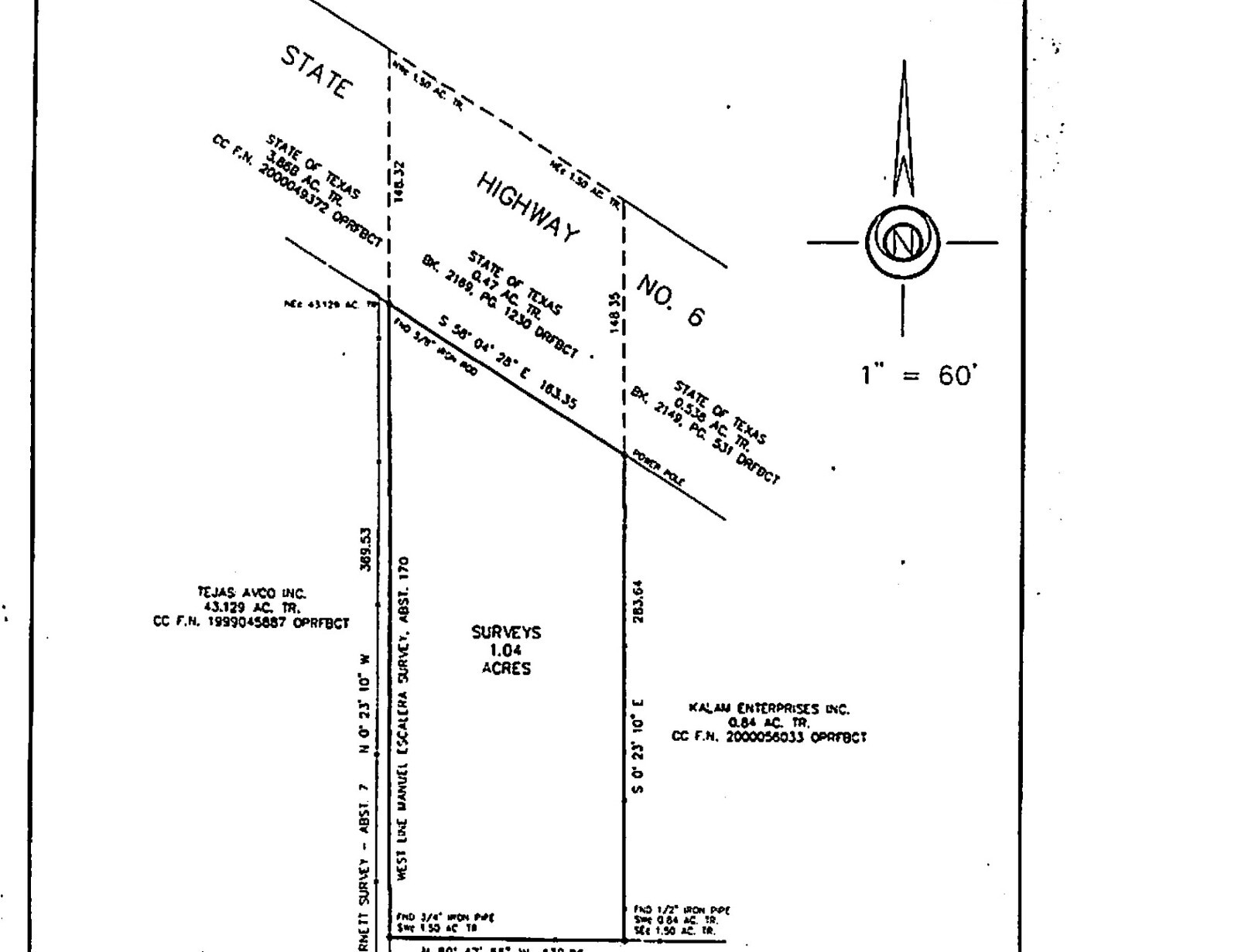
Developing and retrofitting a combined commercial laundromat and automatic car wash in the Greater Houston Area meant engineering an industrial water plant inside a retail footprint. We coordinated the civil utility taps, sized the instantaneous gas-fired boiler headers and three-phase electrical panels for peak coincident draw, and excavated sub-slab lint and grit interceptor vaults before pouring the equipment pads.
Delivering a commercial laundry and vehicle wash asset requires solving two unforgiving utility challenges: high-volume wastewater filtration and massive instantaneous water heating demand.
High-Flow Drainage and Sub-Slab Filtration
Discharging hundreds of gallons of detergent-laden wash water into municipal sewers without proper interception will cause immediate pipe choking and trigger severe environmental citations:
- Sized and installed heavy concrete sub-slab trench drains beneath rows of commercial washing machines, sloping floor troughs to prevent water accumulation during simultaneous spin cycles.
- Engineered multi-compartment gravity lint interceptor basins to filter suspended textile fibers and solid debris before wastewater enters the municipal sewer connection.
- Coordinated with municipal utility districts to confirm sewer discharge permits, ensuring peak washday flow rates would not exceed district capacity limits.
- Engineered exterior car wash reclamation tanks equipped with cyclonic oil-grit separators, allowing recycled water clarification for preliminary vehicle rinse cycles.
Commercial Water Heating and Gas Supply Headers
Simultaneous operation of dozens of high-capacity commercial extractors requires continuous hot water delivery without temperature drops:
- Engineered commercial tankless water heater arrays connected in parallel to deliver consistent one-hundred-twenty-degree water under continuous sixty-gallon-per-minute demand.
- Calculated peak gas load requirements and installed an upsized four-inch natural gas header to feed boiler burners and commercial dryer banks without pressure drop.
- Upgraded the electrical distribution service to four-hundred-amp three-phase four-wire service to power heavy commercial wash motors and industrial dryer blower fans.
- Routed dedicated high-volume mechanical exhaust ductwork through the building roof, venting combustion gases and humid dryer exhaust to prevent interior mold development.
The Takeaway
A commercial wash facility is defined by its mechanical and plumbing infrastructure.
If an operator leases retail space without verifying sewer tap capacity, gas header volume, or lint filtration requirements, they will face costly retrofit shutdowns and municipal fines before washing a single load. When you engineer high-capacity water heating, build certified sub-slab filtration, and size electrical services to peak coincident loads, you build a resilient, low-maintenance asset that generates dependable commercial cash flow.