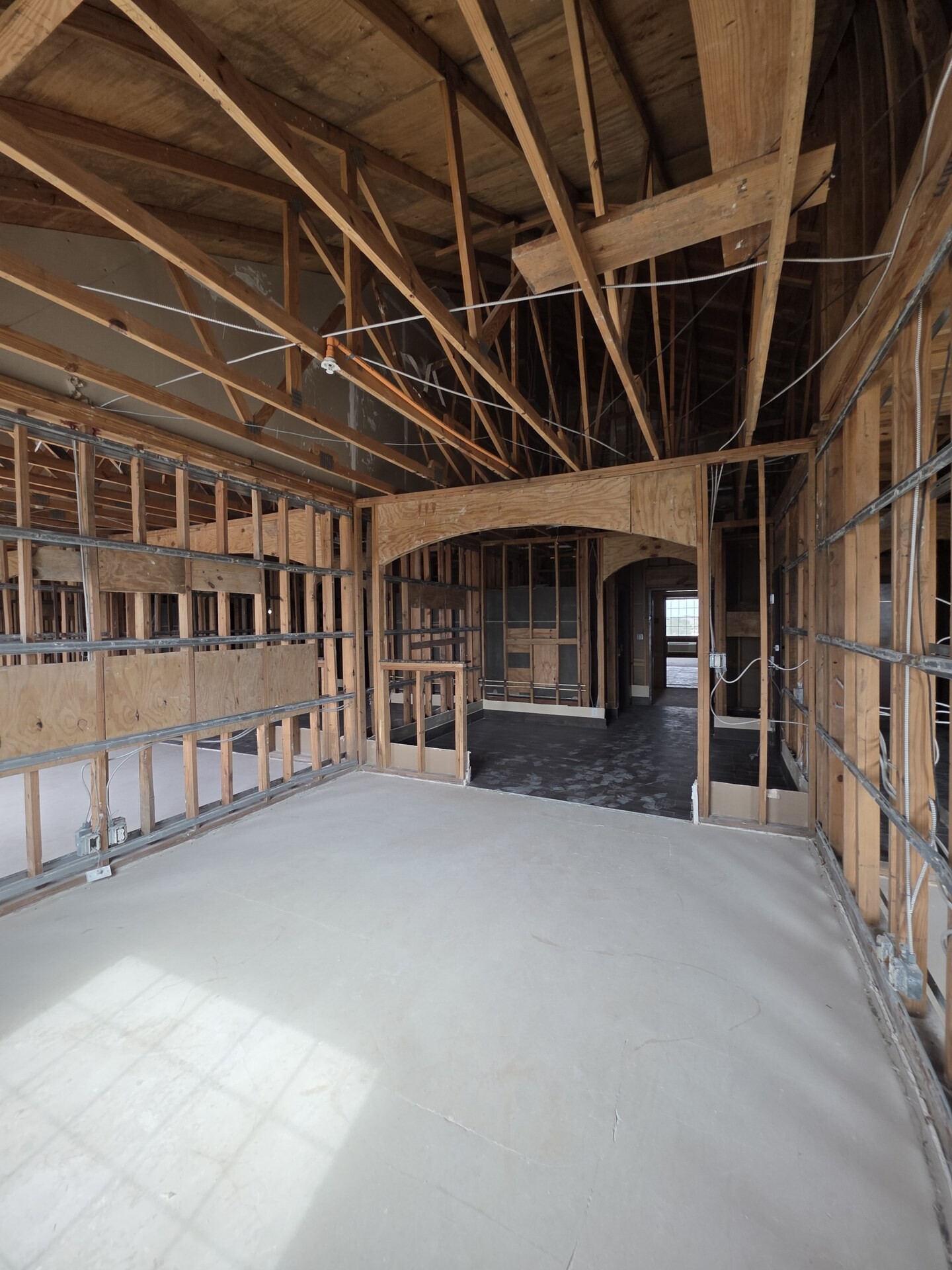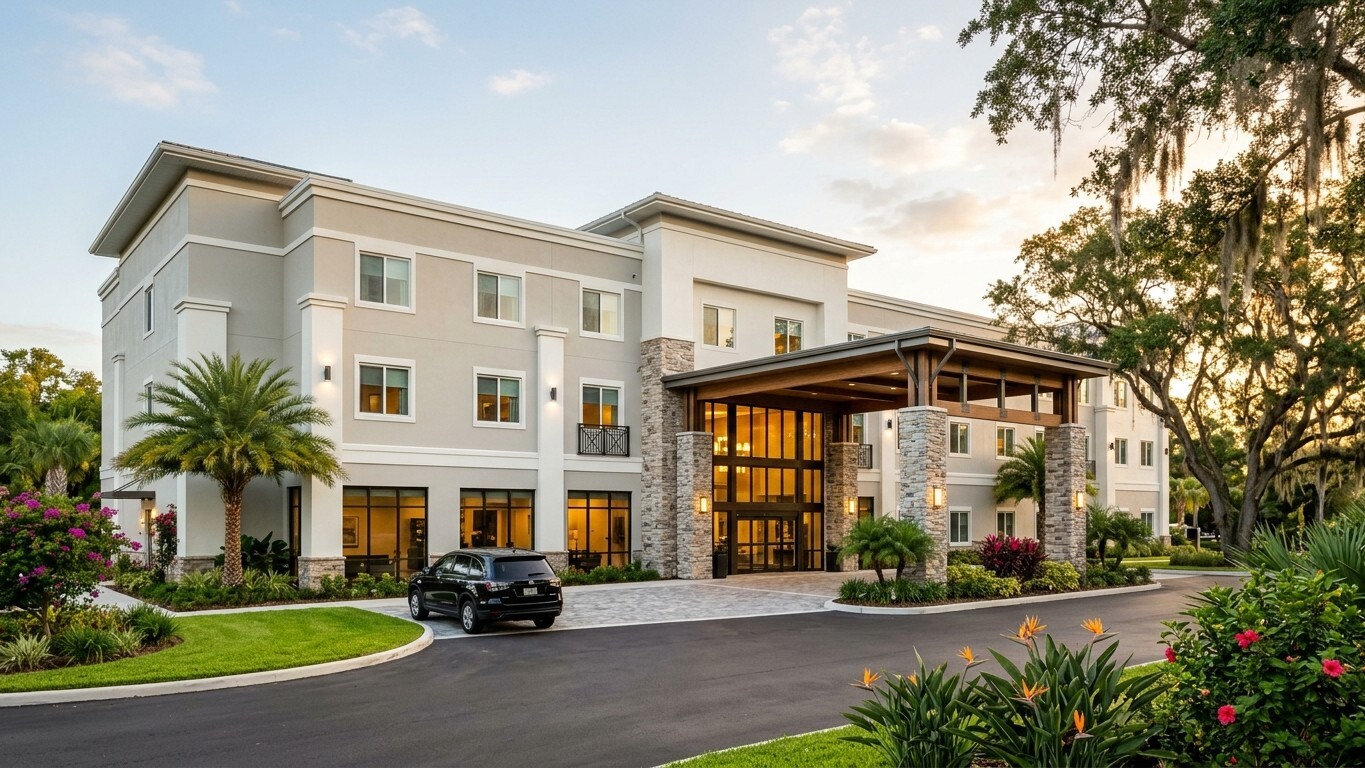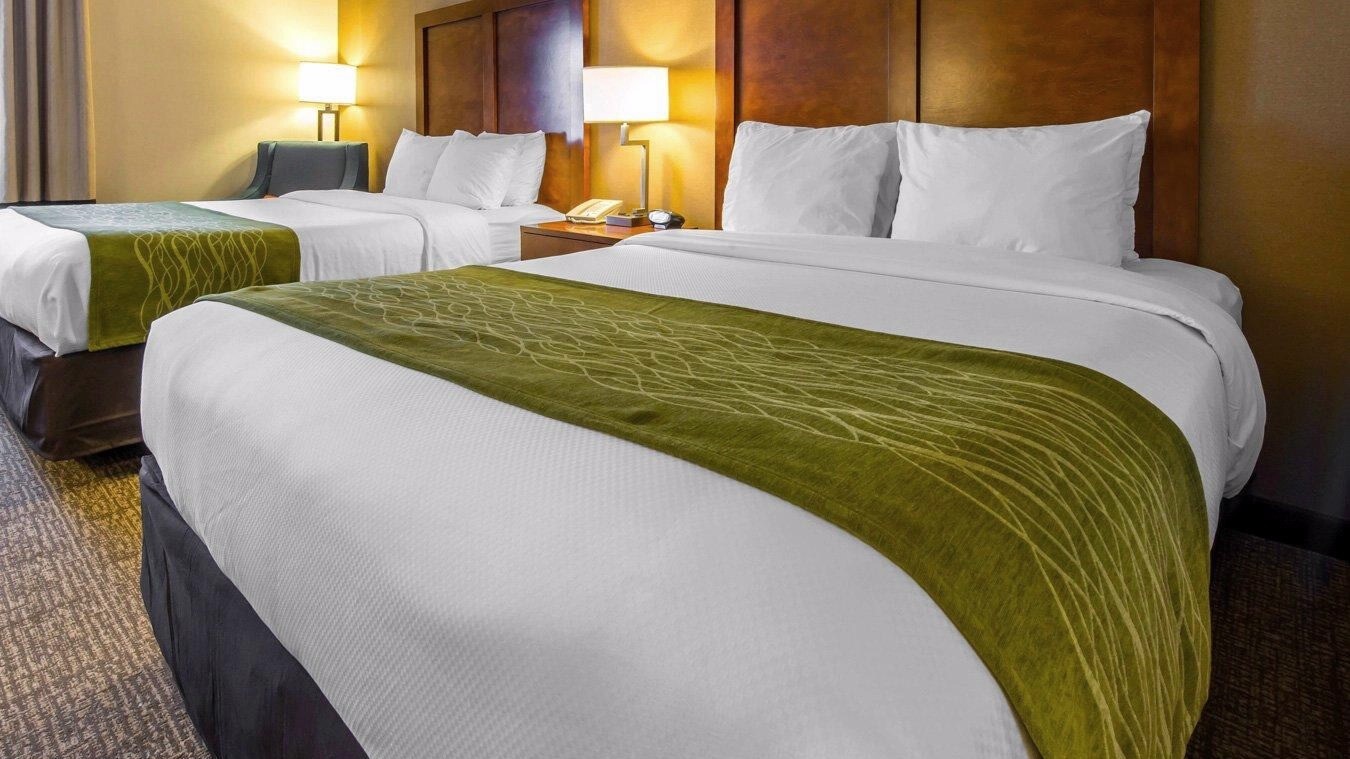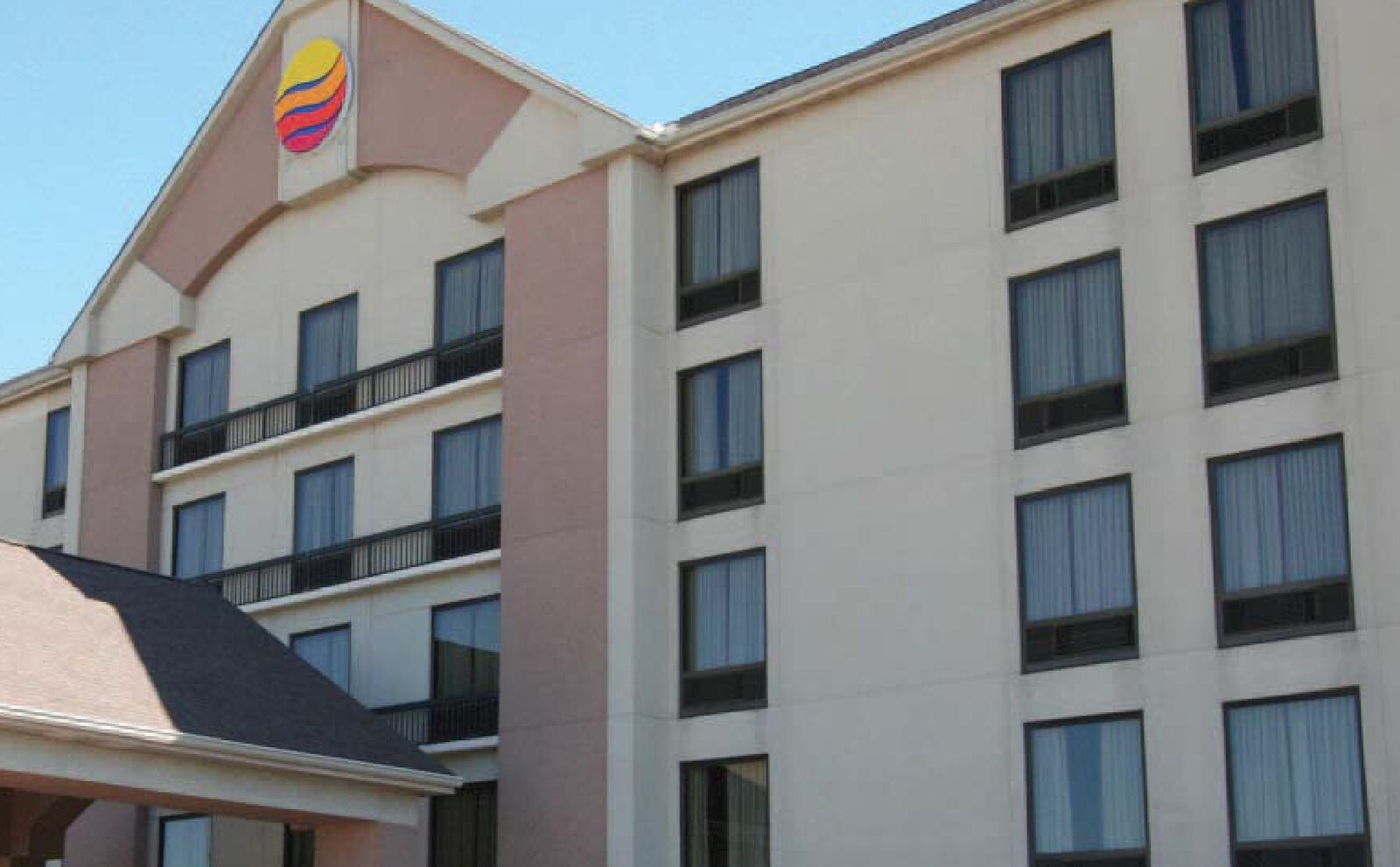
When we underwrite a select-service highway hotel like this Comfort Inn along the US-290 corridor in Northwest Houston, we pair a physical building inspection directly with historical revenue benchmarking and Choice Hotels Property Improvement Plan pricing. Operating along a major freeway corridor brings steady commercial and transient room demand, but it also puts heavy daily wear on guestroom PTAC units, domestic hot water boilers, low-slope roofs, and exterior stucco envelopes.
We conducted a top-to-bottom physical plant due diligence audit and capital reserve valuation on this Northwest Houston Comfort Inn. We inspected the post-tensioned concrete slab and parking aprons, walked the low-slope roof membrane to check seams and parapet flashings, audited a wide sample of guestroom PTAC units and plumbing fixtures, inspected the central gas-fired boiler room, and built a real line-item budget for the Choice Hotels franchise transfer PIP.
Technical Scope & Commercial Hospitality Due Diligence Audit
Evaluating select-service commercial highway lodging complexes encompasses five primary structural and operational engineering audits:
- Structural Concrete Foundation and Subgrade Movement Analysis: Auditing the post-tensioned reinforced concrete slab foundation, perimeter grade beams, and exterior structural corridor columns. Engineers analyzed localized foundation differential elevation settlements, surveying concrete masonry perimeter walls and interior drywall partitions for structural diagonal stress fractures associated with regional expansive clay soils.
- Commercial Building Envelope and Exterior Fenestration Review: Inspecting exterior multi-coat stucco wall cladding, commercial window perimeter sealant joints, and metal architectural eaves. The survey cataloged exterior hairline cracking, localized moisture intrusion along guestroom window frames, perimeter joint elasticity, and exterior corridor metal handrail anchoring durability, calculating precise elastomeric restorative coating budgets.
- Low-Slope Roof Membrane and Perimeter Flashing Evaluation: Conducting an exhaustive physical condition survey of the low-slope commercial roof membrane. Technicians documented historical surface patch repairs, rooftop HVAC equipment curb flashings, perimeter metal drip edge alignments, and internal roof drain strainer assemblies to formulate remaining useful life projections and replacement reserve requirements.
- Guestroom Mechanical PTAC and Domestic Hot Water Central Plant Audit: Inspecting individual guestroom packaged terminal air conditioner units, measuring cooling discharge temperatures, compressor operating amps, and interior air filtration hygiene. In the central mechanical room, engineers evaluated commercial gas-fired domestic hot water boilers, atmospheric venting chimneys, and circulation pumps powering multi-floor hot water supply loops.
- Franchise Property Improvement Plan Capital Budget Modeling: Formulating comprehensive line-item capital expenditure budgets to satisfy Choice Hotels brand re-licensing mandates. The budget covered public lobby spatial modernizations, registration counter quartz millwork replacements, commercial guestroom casegoods, high-efficiency low-flow sanitary fixtures, and commercial exterior parking lot LED lighting upgrades.
Field Execution, Code Realities & Underwriting Control
On the ground, protecting the project budget and schedule comes down to enforcing strict field standards across these critical details:
- Expansive Clay Subgrade Soils Cause: The Greater Houston region is characterized by deep deposits of highly plastic expansive clay soils that undergo severe volumetric expansion and shrinkage during cyclical wet and dry weather seasons. During prolonged drought periods, drying clays shrink away from foundation grade beams, causing localized perimeter settlement. When heavy rainfall returns, soils swell vigorously, exerting powerful upward uplift pressures that induce diagonal cracking across exterior masonry walls and interior guestroom drywall partitions.
- Parameters Dictate Packaged Terminal Air: Commercial guestroom PTAC units operate with an average useful service life of seven to ten years under continuous hospitality duty cycles. Indicators mandating full replacement include compressor motor bearing failure, repeated refrigerant leaks in aluminum evaporator coils, and excessive operating noise levels exceeding commercial brand acoustic decibel standards. Upgrading to high-efficiency digital PTAC units substantially lowers guestroom electrical power consumption.
- Franchise Property Improvement Plans Critical: When a commercial hospitality property transfers ownership, the franchisor mandates a comprehensive Property Improvement Plan to bring the physical lodging facility into complete compliance with latest corporate brand standards. PIP requirements often encompass extensive guestroom renovations, public lobby modernizations, and exterior architectural updates. Accurately budgeting PIP expenditures is critical to prevent post-acquisition cash drain that could compromise property profitability.
- Commercial Roof Condition Influence Insurance: Commercial property insurance underwriters inspect roof membrane age, documented maintenance records, and windstorm certification ratings when calculating annual commercial property insurance rates. Aged low-slope commercial roofs with historical patch repairs or unsealed perimeter flashings present raised water intrusion risks during coastal storms, resulting in punitive insurance deductible structures or total exclusion of roof water damage coverage.
The Ground Truth
When you buy a branded select-service hotel, the purchase price is only part of your basis; the real basis is purchase price plus immediate deferred maintenance plus the mandatory brand transfer PIP. If you underestimate what it costs to replace aging boilers, re-seal exterior windows, and buy eighty rooms of brand-approved casegoods, your cash-on-cash return evaporates.
Delivering a builder-verified property condition assessment alongside factory-direct FF&E renovation numbers gave the buyer complete control over their underwriting basis before closing.