Filling vacancies in a suburban commercial shopping center involves far more than simply executing commercial lease agreements and handing over the keys. When a retail strip center attracts specialized operators like state-licensed childcare facilities, corporate professional offices, or commercial personal service salons, the landlord and project manager must navigate complex municipal building codes, state licensing mandates, and strict construction lien administration.
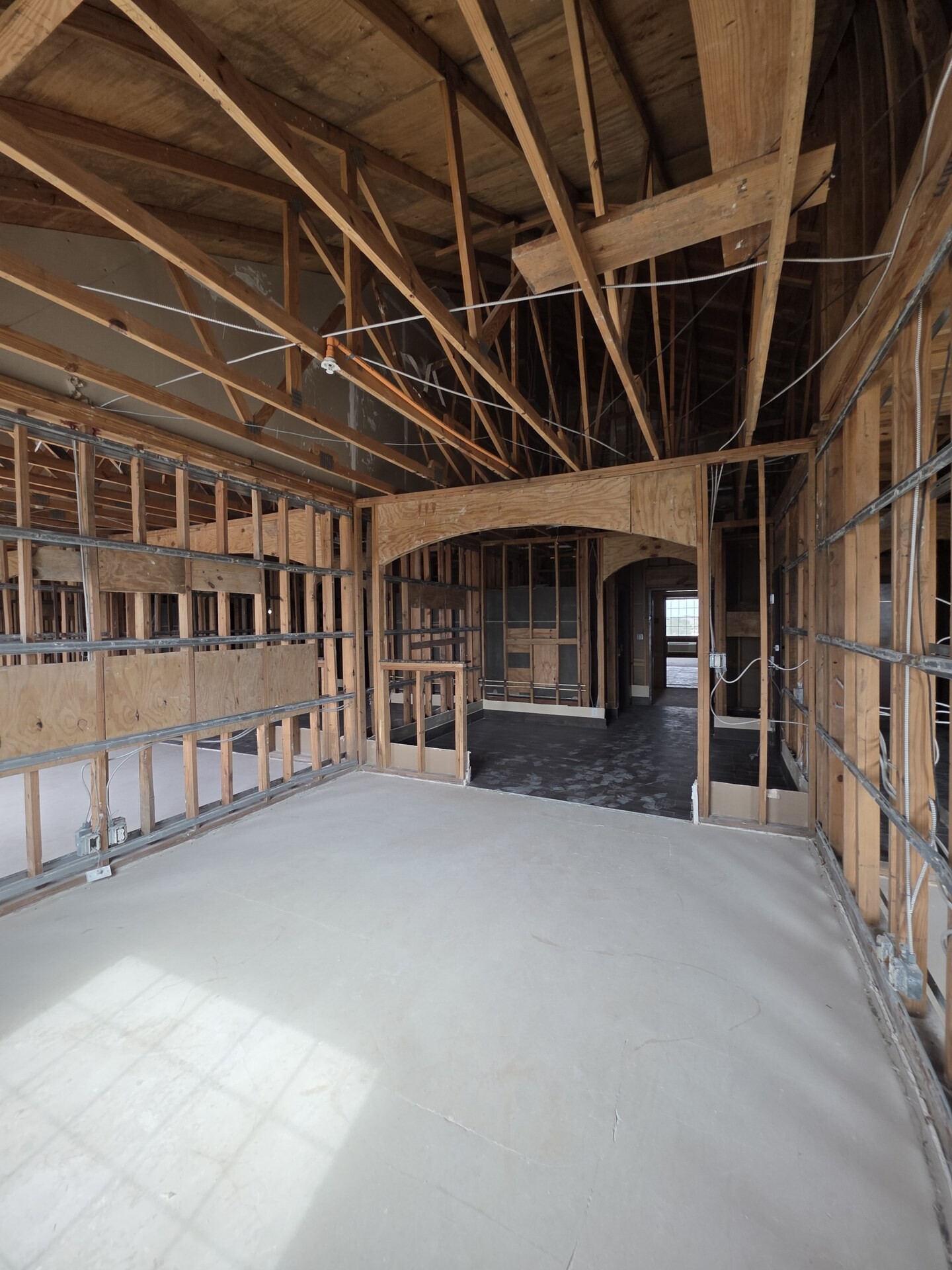
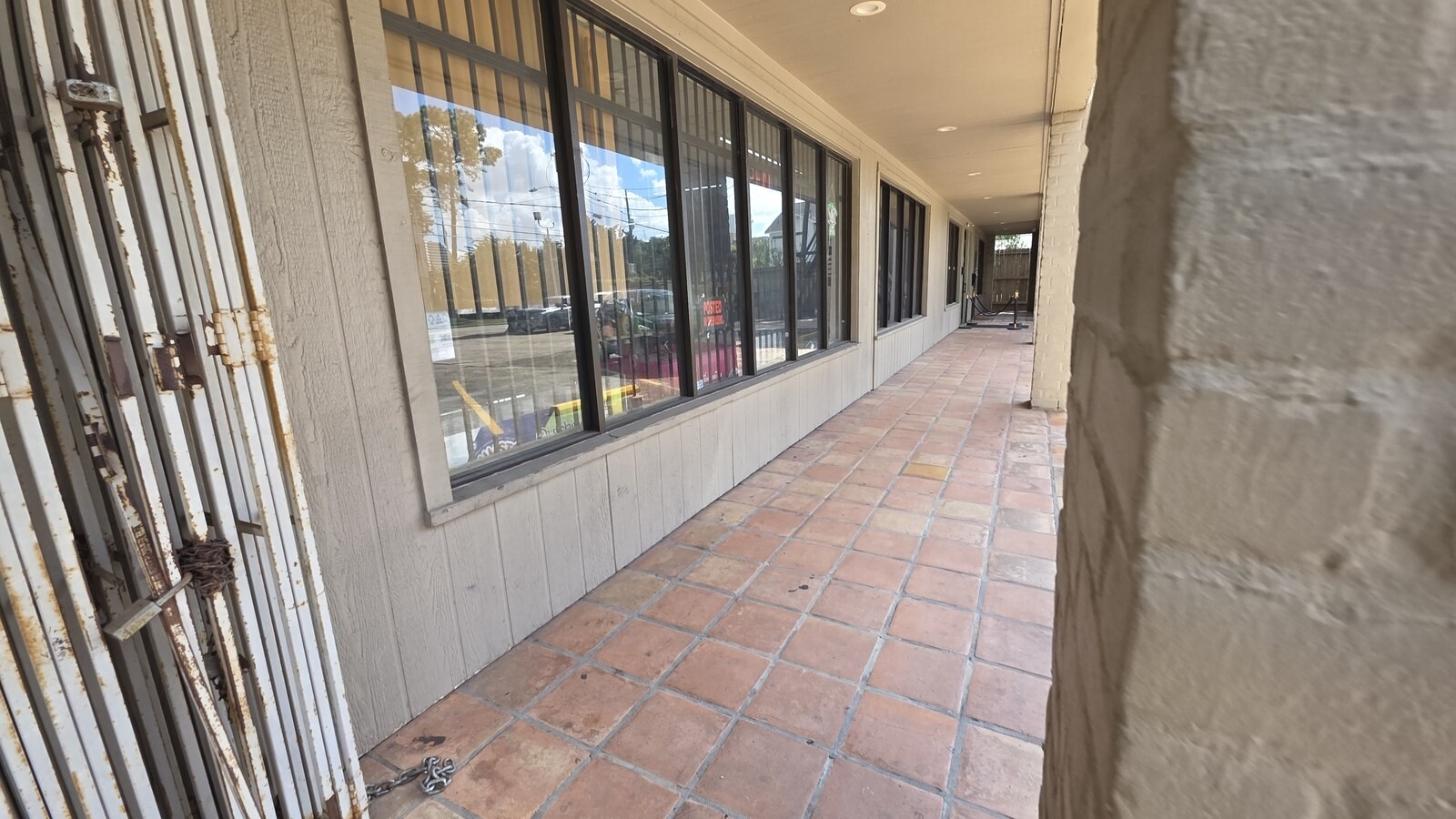
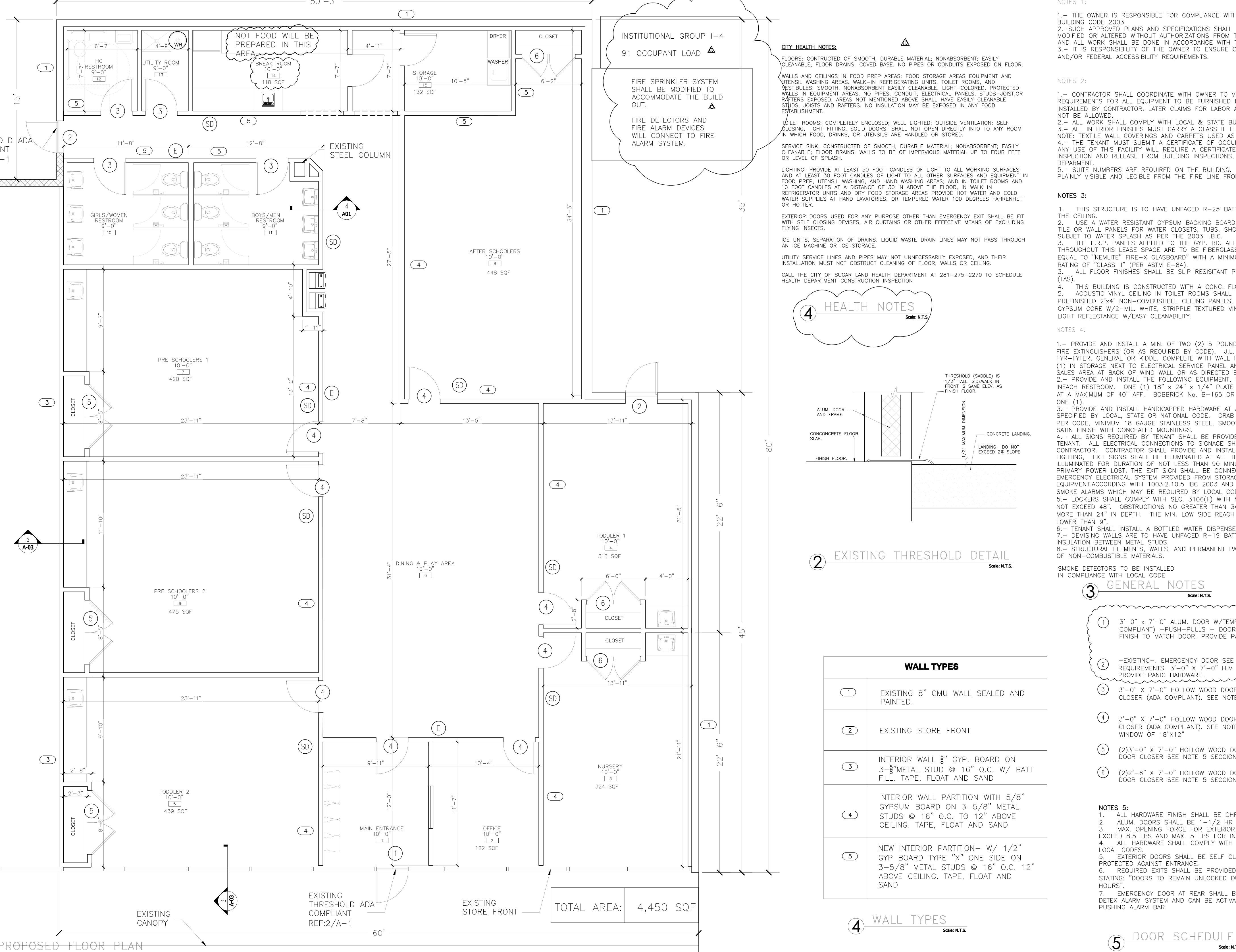
Managing the multi-tenant infill build-out at Ashford Lakes Shopping Center in the Greater Houston Area meant running three different regulatory playbooks at once. Led by the Little Kiddos Daycare facility alongside corporate insurance offices and personal service suites, we coordinated stamped architectural plans, separate two-hour fire separations, dedicated panic egress hardware, and strict subcontractor lien waivers at every draw.
Successfully executing specialized retail center infill requires mastering two distinct operational disciplines: institutional facility code compliance and rigorous construction lien administration.
Specialized Childcare Building Codes and Life Safety
Building out an educational childcare facility within a standard commercial shopping center bay triggers strict state health and protective service licensing regulations that standard retail spaces never encounter:
- Engineered floor plan layouts to satisfy mandatory state ratios for usable indoor activity square footage per child, separating toddler classrooms from school-age activity suites.
- Coring commercial concrete slabs to install child-height plumbing fixtures, juvenile water closets, and specialized handwashing stations in every designated classroom zone.
- Designed dual fire-rated secondary egress corridors equipped with panic hardware and localized smoke detection integrated into the shopping center central fire alarm panel.
- Coordinated civil site modifications to engineer a dedicated exterior secured playground area, installing commercial perimeter security fencing and certified fall-attenuation impact surfacing.
Trade Coordination and Subcontractor Lien Administration
Managing multiple tenant finish-outs simultaneously under tight lease commencement deadlines requires absolute financial and contractual discipline:
- Coordinated independent mechanical, electrical, plumbing, and fire sprinkler subcontractors to complete scopes within condensed project schedules.
- Enforced strict statutory progress payment controls, collecting verified unconditional partial and final lien waivers from every tier-one trade and material supplier before disbursing capital.
- Expedited municipal building inspections across framing, electrical rough-ins, above-ceiling mechanical ductwork, and hydro-static fire suppression testing.
- Secured clean temporary and permanent commercial Certificates of Occupancy, allowing tenants to begin operations and trigger base rent commencement on schedule.
The Takeaway
Retail tenant coordination is an exercise in regulatory compliance and risk mitigation.
If a commercial property owner allows tenants to manage specialized finish-outs without owner-side construction oversight, code deficiencies will delay licensing and unpaid subcontractor mechanics liens will cloud property title. When you engineer space plans to state licensing standards, coordinate trade permits proactively, and enforce rigorous lien waiver protocols, you convert vacant retail bays into stabilized, rent-paying commercial assets.